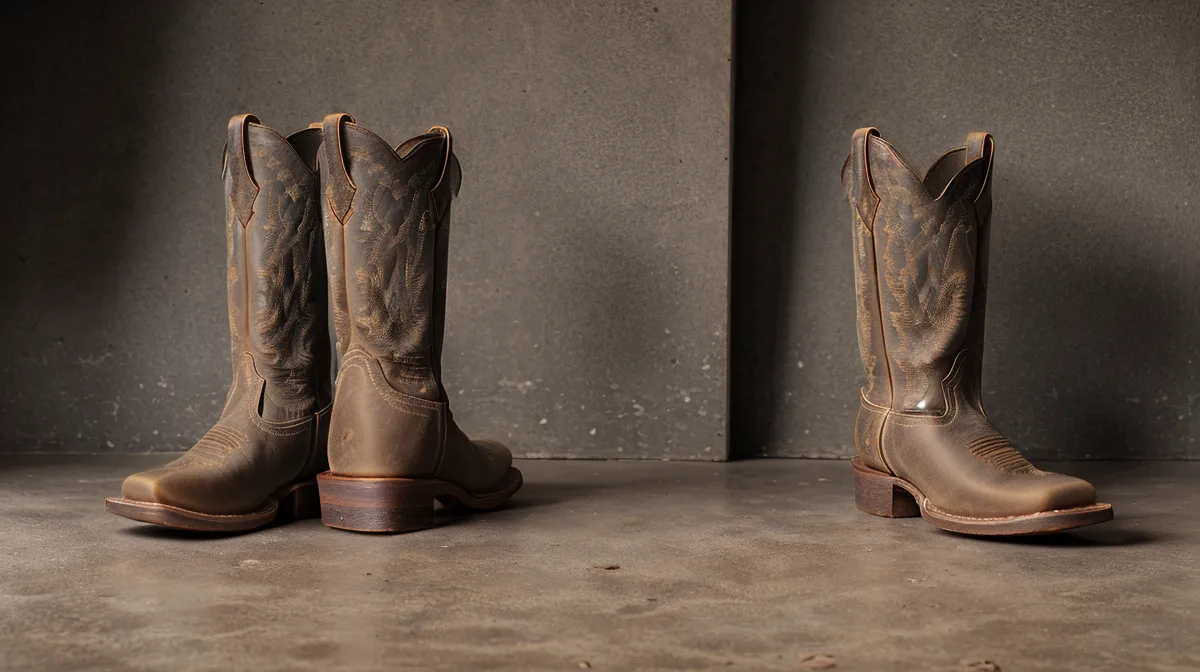
A pair of Durango Rebels weighs noticeably less than the heavy-duty boots most maintenance crews default to. That difference shows up in the lower back before it shows up anywhere else. On a distribution center's concrete floor, every ounce a boot carries gets multiplied by however many miles a shift covers, and a maintenance job that covers five to eight miles a day on that kind of surface feels every one of them. I moved off my old Georgia Boot pairs looking for exactly that relief, and readers keep sending the same handful of questions about whether the Durango Rebel actually delivers it or whether it's just a Western boot dressed up for the job site.
Every question below came from guys on the floor or from readers after an earlier boot review. The commission note applies to every link in this piece: if you buy a pair after clicking through, I earn a small cut, and you pay the same price either way.
Do Durango Rebels Hold Up on Concrete Floors All Shift?
Yes, for most of a shift, and the reason is the EVA midsole rather than the leather. A warehouse slab that's been densified until it's harder than a countertop is rough on the knees and lower back. The Rebel's cushioning takes a bigger bite out of that fatigue than a stiff, Goodyear-welted boot does by the sixth hour. The tradeoff shows up in the outsole. The same soft rubber that makes the boot forgiving underfoot is also the first thing to round off once the concrete puts real hours on it.
Skipping heavy socks the first week, because the boot felt light enough not to need them, turned into a blistered heel before the shift was over. That part's on the wearer, not the boot, but it's worth saying: a lighter boot still needs the same sock discipline as a heavy one.
The Break-In Question Everyone Asks
Compared to a Rocky Boots logger, which has a break-in period long enough to test anyone's patience, the Rebel needed almost none -- a full shift, maybe two, and the leather stopped feeling stiff at the ankle. That's the upside of a lighter build: less leather to fight before it moves with your foot.
Do You Still Need Thick Socks?
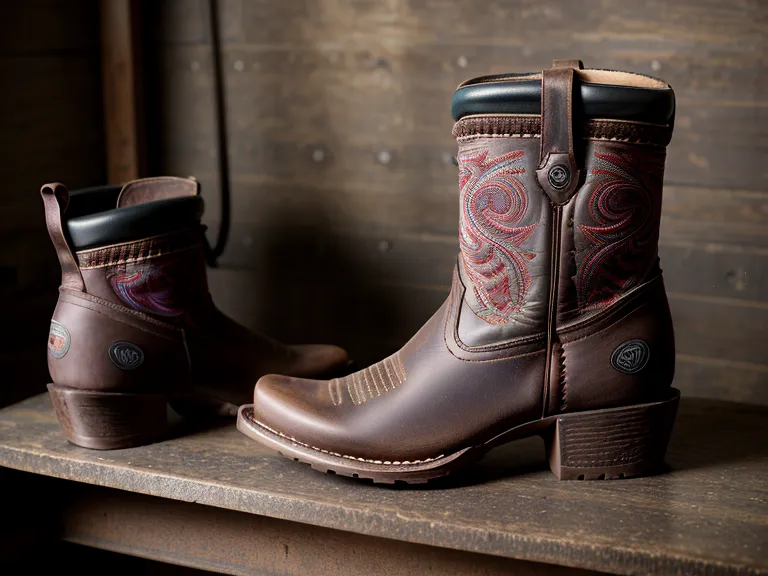
Yes, every time, no matter how light the boot feels on the shelf. The rocker heel and the 1.5-inch lift give a little spring that most Western-style work boots don't have, but that cushioning doesn't replace what a heavy sock does for arch fatigue over a full shift. I'm not a podiatrist, and if real foot pain is part of the picture, that's a conversation to go see a professional about, not something a boot review can settle. How long an arch actually holds up under a given boot matters more than how soft it feels on day one, and that's really its own topic.
Where the Tread Wears Out First
The forefoot tread goes soft and smooth well before the upper shows any real wear. That flexible rubber sole is what makes the boot feel good on day one. It's also the first part to round off under repeated concrete contact, the same way a grippy summer tire wears faster than an all-season one. The leather upper tells a different story: it's held its shape at the flex points without splitting, which puts it closer to what you'd expect from a heavier-built brand's upper than from a boot this light, though the full case for upper leather durability belongs to a different review.
None of this comes from a wedge outsole either -- the Rebel runs a rocker heel and flexible tread rather than the flat wedge sole some standing-all-day boots use, and which one suits you depends on whether you're moving all shift or planted at a bench, a comparison worth its own read before you buy either style.
Comparing the Rebel to the Rest of the Fleet
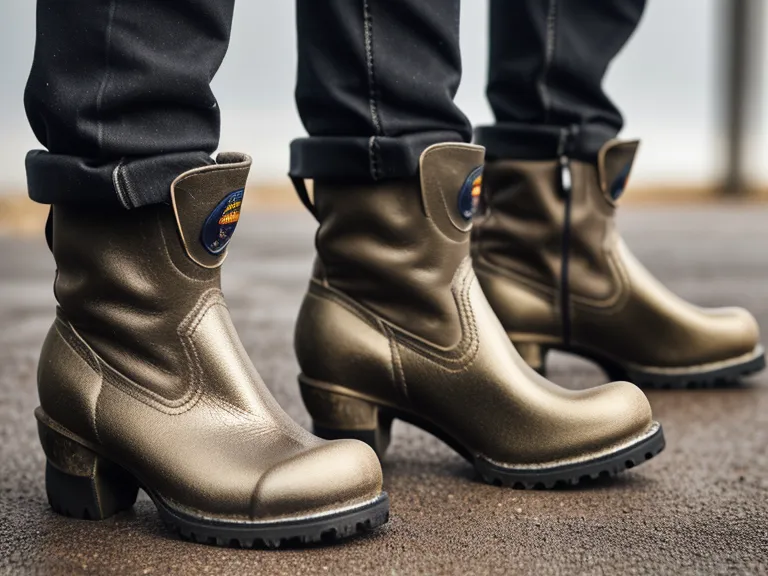
Next to a Thursday Boot, the Rebel is the more serious work boot -- Thursday's lineup leans dressier and isn't built for a real industrial floor. Next to a Georgia Boot, it's the lighter, less bulletproof option, which is exactly the tradeoff it's selling. If your shift puts you in standing water or mud most of the day, a pair built around real waterproofing, like Hunter Boots, makes more sense than anything Western-styled, though that's a different job than mine.
DeShawn, a forklift operator on our floor who asks about boots between shifts, cares as much about how a boot looks as whether it holds up, and the Rebel is the rare pair on the shelf that satisfies both. Anyone whose job requires a specific safety toe rating should read up on that separately before buying anything Western-styled, and the same goes for wide feet, since a narrower Western last doesn't fit every foot shape and toe box room is a separate question this review won't settle.
Handling Winter Salt and a Wet Loading Bay
Stepping into standing water at the loading bay dock one winter didn't send the usual cold spike up through the sole the way older boots always had, which says more about the treated leather than about any taped membrane doing the work -- treated leather versus a true waterproof membrane is its own comparison, one that deserves a full write-up rather than a paragraph here.
Curt, who works maintenance on the same floor and runs cold enough in winter that he tracks insulation ratings the way some guys track fantasy football, wasn't impressed and stuck with his heavier boots anyway. Road salt is its own enemy for any leather boot, and keeping the Rebel conditioned through a salty winter matters more than people assume, though how to actually do that maintenance is a separate piece. Anyone new to a stiff leather boot in general should read up on how to break in new work boots before their first cold-weather shift in them, Rebel or otherwise.
Are They Worth Wearing Off the Clock Too?
Off the clock, yes. The Rebel looks enough like a real boot, and not like safety gear, that it works for a weekend without anyone clocking it as a work boot. I grab this pair most often to walk my mother's old Lab through South Park in Allegheny County, where the low weight matters as much on a gravel path as it does on a concrete floor.
Out in the garage in Penn Hills where the rotation lives, the Rebel sits a rung below the boots reserved strictly for the worst shifts. The fluorescent tube over the workbench has flickered for longer than I can remember, and neither that nor my opinion on decent-looking boots has changed: a pair that leaves the property still needs to look like something other than a work boot.
Who Should Skip the Rebel
Anyone doing serious digging, anyone in mud or standing water most of a shift, or anyone who wants three years out of one pair before replacing it should skip the Rebel and look at something heavier-built instead. For years, the fallback for a lot of guys was grabbing whatever steel-toe pair sat in the discount bin every few months and calling it disposable, which just meant paying for the same failure on repeat instead of buying something worth tracking.
The Rebel doesn't solve that problem by being indestructible. It solves it by being honest about what it is: a lighter boot that trades some tread life for a lot less fatigue, worth replacing on its own schedule instead of expecting it to outlast a heavier brand. If your shift is mostly walking rather than digging or crawling, the Durango Rebel is worth trying, and if foot pain is part of the picture, talk to a doctor about that separately from whatever boot you land on. For the rest of us on a concrete floor for a full shift, you can check the current Durango Rebel options here.