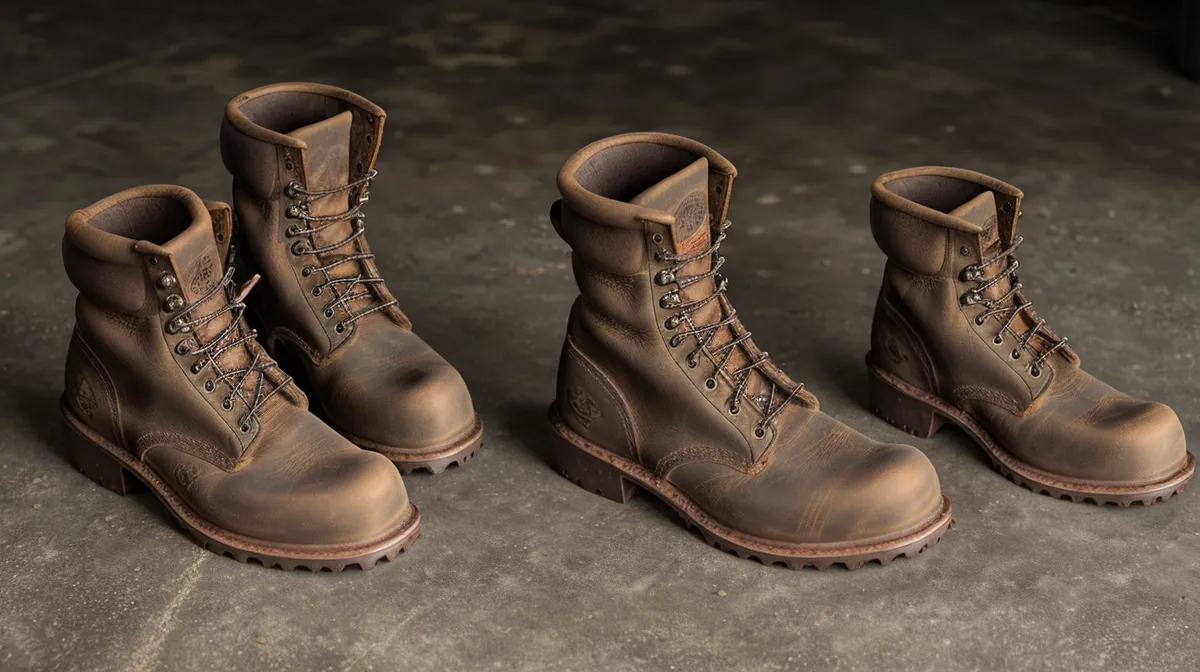
My hand's on the boot pull and I can already feel a low, spreading heat behind my right heel, twenty minutes into a brand-new pair of work boots, box still sitting by the door. Every guy who's worked a shift on concrete knows that feeling before he says a word about it. Break-in isn't about toughness, it's a leather-care habit you can manage, and skipping it doesn't toughen you up, it just delays the blister instead of preventing it. Years of watching soles flatten and uppers split have taught me the guys who end up limping by lunch are the ones in the biggest hurry, and blister prevention starts before the first full shift, not after the first raw spot.
Hot spots show up in the same three places on almost every boot: the heel counter, the crease at the base of the laces, and the edge of the toe box. Break-in is a blister-avoidance problem before it's a comfort problem — the hot spots you feel in the first few wears are telling you exactly where that boot is going to crease for the rest of its life. Pay attention to which one is talking to you first, because that's the flex point you'll be dealing with every day after.
Where the Hot Spots Actually Form
Run your finger along the inside of a new boot before you ever lace it up, feeling for a stitching ridge or a stiff seam at the heel that doesn't sit flush against a sock. If the ache after a short walk shows up as one sharp spot, that's your flex point, and it needs targeted attention. If it's spread across the ball of your foot instead, that's usually a wide-toe-box problem, not a break-in one, and no amount of patience with the leather fixes a boot that's simply too narrow for your foot. A boot that meets the ASTM safety standard F2413 has cleared a toe-cap impact test, not a comfort test, and that rating won't tell you anything about hour seven on a concrete floor.
Break Them In Short, Not Long
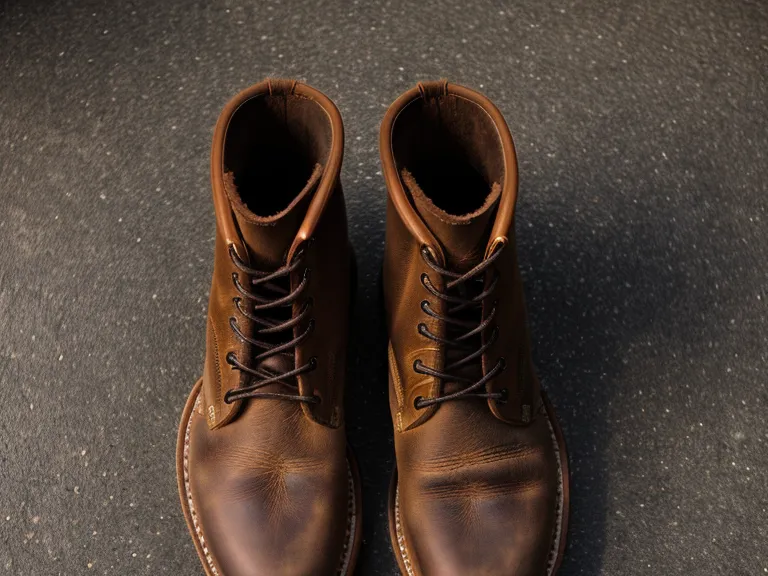
Wear a new pair around the house in short stretches before you ever take them on a full shift, twenty minutes doing dishes, twenty minutes taking the trash out, nothing that adds up to a whole evening on your feet. Full-grain leather doesn't stretch like fabric, it softens as it moves and warms against your foot, and that's the whole reason short sessions beat one long forced march. Push a stiff pair through twelve hours on day one and what you're calling break-in is really just your heel sliding inside the boot until the friction raises a blister before your first coffee break.
Leather Care Starts With Two Pairs of Socks
Thin socks feel like they give your foot more room, and that's exactly backward, because thin material lets more of the friction land straight on your skin. Two pairs of thick wool-blend socks do more work: the friction happens between the layers of wool instead of between the boot and your heel, and the extra bulk forces the leather to stretch and expand faster than a bare foot manages alone. It feels snug for the first few wears. That's the leather doing its job, not a warning sign.
Terri, who runs second shift on our dock and logs more steps in a night than anyone else in the building, doubled up her socks on my say-so and stopped complaining about her heels. She still gives me grief about the mink oil, though.
Does Conditioner Actually Fix Cracking Leather?
A reader out in western Ohio, a truck mechanic named Gus Hornak who spends his shifts pit-side in oil and brake dust, wrote in asking whether soaking a boot in conditioner would stop an upper that was already cracking. I've tried exactly that myself: soaking a cracking vamp in mink oil, hoping it would stop the leather from splitting along the toe box. It didn't. Conditioner softens fibers that are still intact, it doesn't glue together fibers that have already torn, and once a split starts at that crease, oil just leaves you with duller, still-cracked leather.
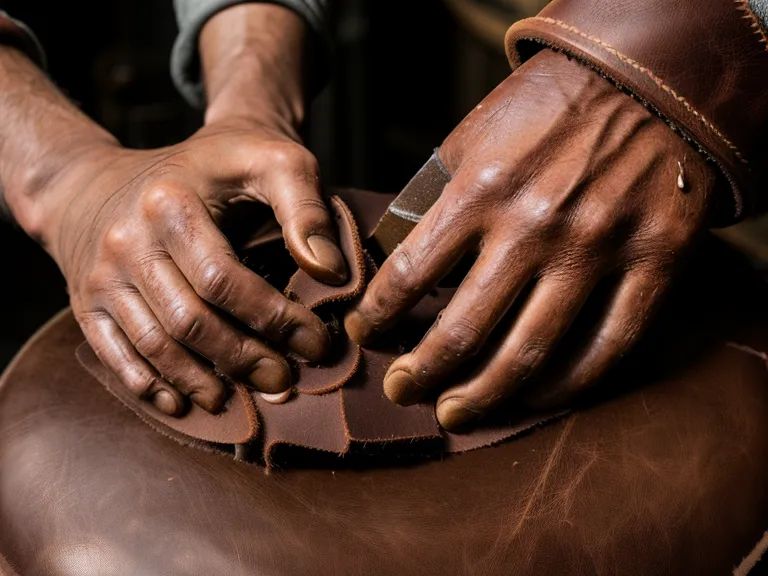
Used the right way, mink oil goes on the flex points only, before a split ever starts, not after. A light coat at the lace throat or the toe crease lets the fibers slide past each other instead of binding up stiff; drenching the whole boot doesn't make it soften faster, it just wastes conditioner and leaves the leather greasy for weeks. How long an upper actually holds up under regular conditioning depends more on the leather itself than anything you do to it afterward, and that's a longer conversation than one flex point. Conditioner treats leather, it doesn't waterproof it the way a membrane construction does, and mixing up those two jobs is how guys end up disappointed in both.
I ditched a house-brand pair years back when the sole started separating from the welt after one wet stretch on the dock. That's a construction problem, not a break-in one, and no amount of patience with the leather glues stitching that's already failed. Welt construction is its own rabbit hole, and one flex point with a tin of conditioner was never going to fix it.
The Mid-Shift Sock Swap That Actually Prevents Blisters
Sweat softens skin fast, and softened skin blisters faster than dry skin does, no matter how broken in the leather already is. Swap to a dry pair of thick socks halfway through a shift and you reset that clock. There's a real, sudden relief in pulling off a damp sock and putting on a dry one before the second half of a double, and it's the cheapest habit on this whole list, the one guys skip most, usually because it means sitting down for two minutes they don't think they have.
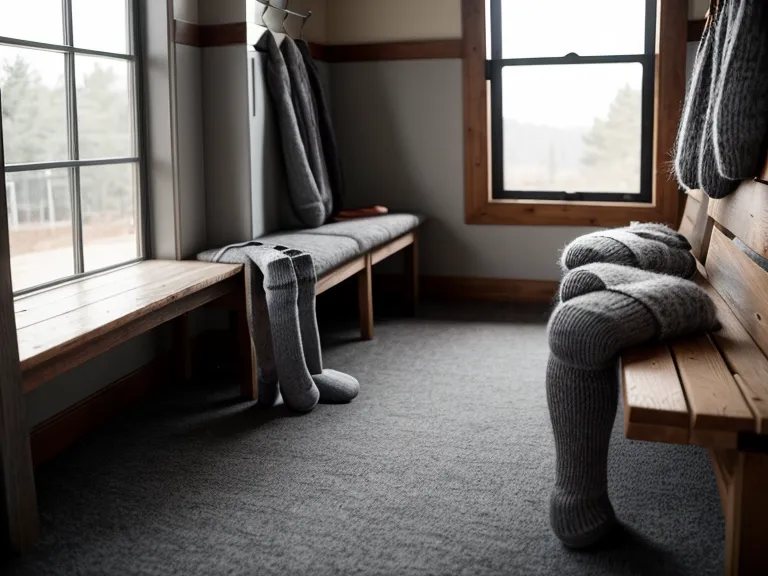
Get the whole routine right, short sessions before the first shift, socks doubled up, conditioner on the flex points only, dry socks at the halfway mark, and a pair earns its keep. Hour seven on a concrete floor doesn't feel like hour seven anymore; heels stay quiet the whole shift, not just the first four hours. Even the sound changes by then, a soft, dull thud instead of a stiff clack when a boot goes back on the shelf heel-first. On weekends, walking my mother's old Lab through the Strip District, a fully broken-in pair doesn't even register, and that's the real test, not a shift.
Break-In Won't Fix Fit or Construction Problems
Break-in fixes friction, not fit, and not construction. If a hot spot doesn't ease up after two or three short sessions and a bit of conditioner on that one flex point, that's your sign the boot's fit is wrong for your foot, not that you haven't suffered enough yet. Arch support holds up or breaks down on its own timeline, a separate question from how the upper feels against your skin and worth checking on its own terms. Standing all day on a flat warehouse floor is a different problem than standing on gravel or a loading ramp, which is part of why Georgia Boot wedge sole boots handle a flat floor differently than a traditional lug sole does. For guys who spend more of the day walking than kicking pallets around, I've written before about how Rockport Safety Toe Shoes come out of the box with less of a fight built in. Once winter salt gets into the leather, that's its own leather-care conversation, separate from break-in and worth handling on its own schedule, not lumped in with a new pair's first month.
None of this is complicated, and it's not medical advice, just what's actually worked across a lot of pairs of boots and a lot of shifts. Remember the one thing that matters: a hot spot that fades after a few short sessions and a little conditioner is normal break-in, and a hot spot that doesn't fade is the boot telling you it's the wrong shape for your foot. Treat the second kind like the first kind and you'll be buying blister pads by the box. That's the maintenance-life difference, the stuff that keeps a decent pair going years instead of months.
I'm not a podiatrist, and if you're dealing with real foot pain or a structural issue, see one before you start experimenting with sock combinations and conditioner schedules.