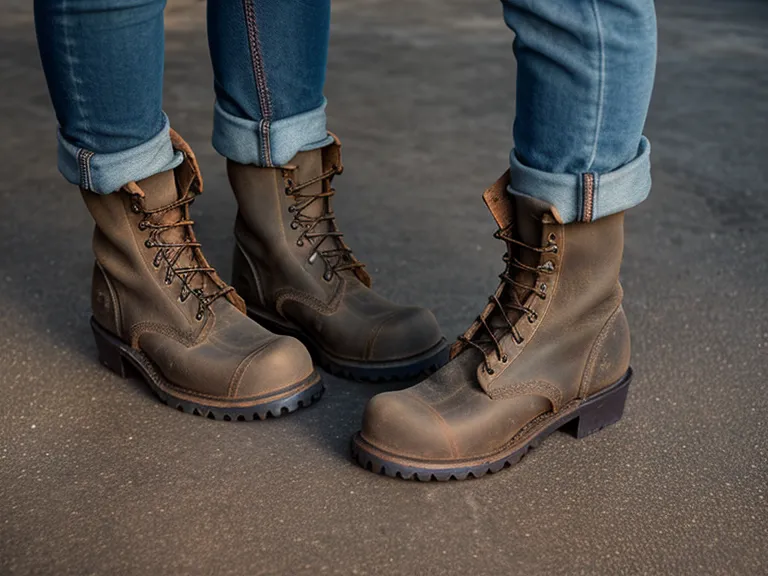
One inch. That's the standard heel height on a men's dress boot, the Kenneth Cole Techni-Cole line included, and it's usually the reason comfort disappears somewhere around hour two of a wedding. I spend my shifts in flat, wide steel-toes, so when I laced these up for my niece's rehearsal, I braced for the same old ache. It never showed up.
Quick disclosure before we get into why: if you buy through a link below, I earn a small commission at no extra cost to you, which is how this site keeps its hosting bill paid. I bought my own pair to put through the wringer, same as I would any work boot, and I've got no design-school background telling me what to think about them — just a maintenance supervisor's feet and opinions.
How These Are Actually Built
For most of my time at the distribution center, my footwear rotation has stayed simple: whatever oil-resistant Georgia Boot holds up best on the floor, and a separate pair of boots for my plantar fasciitis for the days my arch is done arguing with me by hour six. Dress boots never fit into that rotation because most of them are built with zero give — stiff leather over a hard, flat sole, no cushioning to speak of. The Techni-Cole line uses cement construction instead, meaning the sole is glued to the upper rather than stitched through it. That's a different animal from the Goodyear welt on a pair of Rocky Boots, which can be pulled apart and resoled by a cobbler once the tread wears out. Cement construction can't be resoled that way; once the sole goes, the boot is done. But it's also lighter on the foot and skips the stiff wear-in period a stitched leather boot puts you through before it stops fighting back.
Buy Your True Size, Not a Half-Size Down
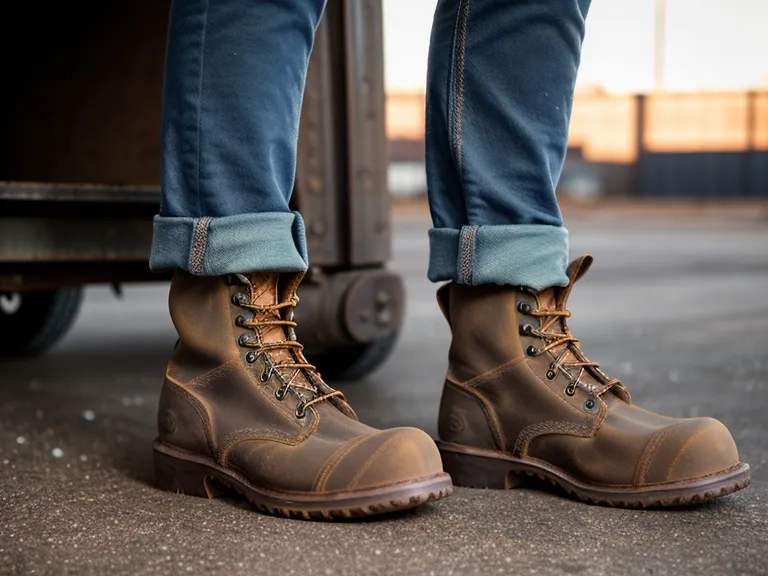
Most guys buying a leather work boot go a half-size small on purpose, counting on the leather to stretch out over the following weeks. Do that with the Techni-Cole line and you'll regret it — the synthetic-hybrid lining isn't raw cowhide, it doesn't stretch to match your foot, and going a half-size down just turns into a pinched forefoot by the second hour of wear. I stuck with my usual size 11 wide, and they fit right out of the box. Terri Pruszkowski, who runs second shift on the dock at my facility, hit me with the same complaint after trying on a narrower dress shoe for her son's graduation — her feet run wide, and she's got strong opinions about any toe box that tapers too fast toward the front. A rounder, roomier toe box heads that problem off before it starts; a pointed one just guarantees you're peeling your feet out of the boots by the time the reception gets going.
The Cushioning Does Most of the Work
Pull the sock liner out of almost any boot that's been on your foot all day and you'll catch a faint sweetish smell off the compressed foam underneath — that's the midsole doing its job, not a sign anything's failing. The Techni-Cole's insole uses gel pods under the heel and forefoot instead of the flat leather or hard rubber board you get in most dress boots, and it feels closer to a mid-range cross-trainer than anything else on a boot with a stacked leather heel. That matters more than the marketing copy about "37.5 technology" ever will — the actual comfort story is under your foot, not in a claim about holding your skin at exactly 37.5 degrees Celsius. Whether that gel keeps its bounce over a full year of steady rotation instead of just a couple of wears a month is a longer question, the kind that separates a boot you save for occasions from one you'd lean on every day, but for occasional use, the padding earns its keep from the first step.
Does the Leather Hold Up Once the Salt Comes Out?
Sidewalk salt kills cheap leather faster than anything else around here, and I've ruined a boot before trying to head that problem off early. A few winters back I had a pair with a vamp that started cracking along the toe box, and I soaked the leather in mink oil three nights running, sure I could stop the split before it spread. It didn't work — the crack kept walking up the leather anyway, mink oil or not. That's the standard I judge any new leather against now. On a loop around North Shore Trail with my mother's dog, the Techni-Cole uppers picked up plenty of road grit and a couple of puddle splashes, and by the end of the walk there was no cracking at the crease points and no stiffening, nothing that looked like the start of that same failure. The leather is a corrected-grain hide, not full-grain, which usually trades character for consistency from pair to pair — it won't develop the deep patina a heritage boot does, but it also won't split the way a bargain corrected-grain sometimes does. I wouldn't wade through slush in these the way I would in a pair of Hunter Boots, but for beaded-up rain on a sidewalk, the water rolled off the uppers better than I expected.
Kenneth Cole vs. the Heavy Hitters
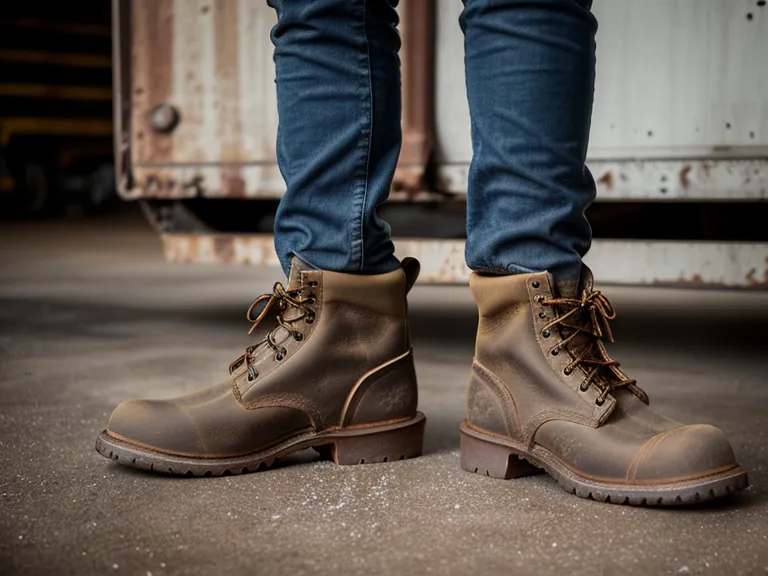
I keep a pair of Thursday Boots in rotation for that same office-to-happy-hour stretch, and if you want the deeper breakdown of how their welted construction holds up over time, I wrote a full Thursday Boot Company Review a while back. Kenneth Cole's Techni-Cole line sits a notch below that build quality — lighter, less structured, and not made to be resoled the way a welted boot is. Step up further to the heft of a Durango Boot or a genuine steel-toe, and the Techni-Cole line feels like it's barely there. That's not a flaw — it's the whole point. Nobody needs six-inch ankle support and a protective toe cap to stand around at a cocktail hour. A reader out in western Ohio, a truck mechanic named Gus Hornak who spends his shifts pit-side on wet epoxy shop floors, once asked me straight out whether a pair of these could double as a backup shoe for his shop. The honest answer is no. The outsole here is a flat rubber slab shaped for a hardwood dance floor, not the wedge or lug tread you'd want under you on wet epoxy or loose gravel — a wedge-soled work boot and a lug-soled one aren't interchangeable with each other, and neither is interchangeable with this. For a guy like Gus, I'd point him toward something built for the shop floor instead, no matter how good the insole feels.
Four Hours on a Hardwood Floor
The wedding itself ran the ceremony, photos, and a cocktail hour back to back — close to four hours standing before anyone even got near a dinner chair. The spot I watch for on any new boot is the back of the Achilles, right where a stiff collar usually rubs a hot spot raw by the second hour. It never showed up here. I got the same result running a regular Monday walk-through of all four aisles at the distribution center in a lighter-duty pair — no heel rub, no hot spot, nothing to report by the end of the loop, which for a boot with a stacked leather heel and a synthetic lining is not the outcome I expected going in. Two very different floors, hardwood and painted concrete, giving the same answer — that's the kind of consistency that tells you more than either test alone.
When These Make Sense
After a full season of rotation — from the first frost through a wet spring — the soles on mine still have plenty of tread left, and the upper hasn't separated from the base anywhere. That's a fair outcome for a boot that costs roughly a half tank of diesel in my truck, not one I'd expect to last a decade. These aren't Goodyear-welted, they won't take a resole, and they've got no business anywhere near a job site with moving equipment. What they do well is solve a narrow problem: looking sharp for a few hours without your feet filing a complaint by the time the reception starts. If your closet needs an upgrade for that kind of occasion, you can browse the current options for reliable footwear here, and if your weekend calls for something with more grit in it than a dress boot can offer, the Durango lineup covers that end of the closet instead. Buy your true size, wide feet and all, and don't count on the lining to stretch a half-size mistake into a good fit. One last thing worth saying plainly, since I'm not a podiatrist and never claimed to be one: if your feet hurt in boots that are supposed to be comfortable, that's a question for a real foot doctor or a professional boot fitter, not a maintenance guy with an opinion.