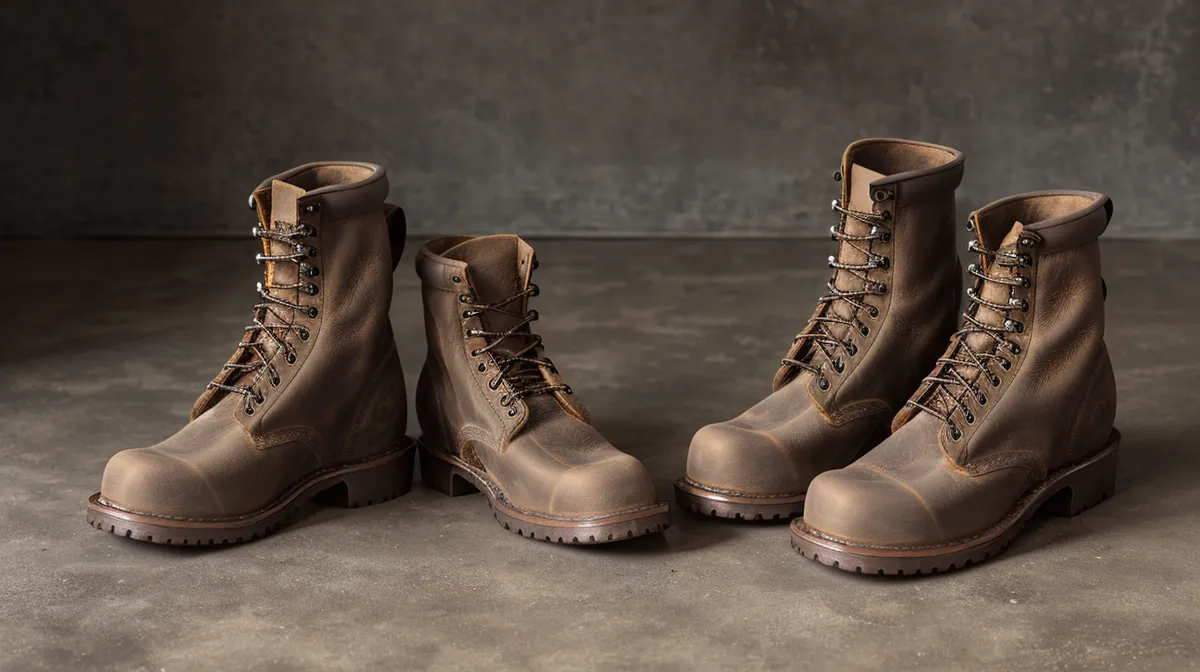
A heavy logger boot and a lighter athletic-tech work boot can carry the identical safety-toe rating, yet only one of them lets a supervisor finish a ten-hour shift without his lower back seizing up around hour seven. That gap is the whole argument here. Work-boot durability on a concrete warehouse floor isn't measured by how stiff or heavy a boot feels in the box -- it's measured by how much foot fatigue is left in your legs by the last walk-through of the night, and that's a very different gear question for a supervisor logging miles all shift than it is for someone standing in one spot.
Twenty years on my feet in this building taught me the job isn't standing still. I'm the maintenance supervisor, which around here means covering the mezzanine, the loading docks, and the back offices inside the same hour, not swinging a wrench in one spot. Somewhere along the way I stopped assuming a heavier boot automatically meant a tougher one.
None of the boots mentioned below showed up for free. I bought every pair with my own paycheck, wore them through real shifts, and only afterward figured out which ones were worth writing about.
Heavy Loggers Against Athletic-Tech: The Weight Trade-Off
For a long stretch, the routine never changed. Grab whatever generic pair the warehouse store had in an 11 wide, wear it until the upper split at the flex point somewhere around month four, then go buy the same mistake again. When my arch started aching, I did what a lot of guys do and shoved a pair of drugstore gel insoles into a boot that had already gone flat in the arch, figuring cheap cushioning was still cushioning. It wasn't. The insole just sat on top of a dead footbed and did nothing once the boot itself had lost its shape.
Heritage heavy-duty boots were the next stop, and they solved nothing either. A pair built like a tank sounds great until you're climbing a mezzanine ladder in boots stiff enough to feel like two-by-fours strapped to your feet. Rockport gets filed under "dad's office shoe" by most people, but it was one of the first brands to actually put athletic-shoe cushioning into a work-boot shell, which matters a lot more to a guy covering miles of concrete than a boot built to survive a construction site he doesn't work on.
Georgia Boot sits at the opposite end of that argument. A Georgia Boot is built for mud, uneven ground, and heavy construction, and for that job it earns its weight. Georgia's lineup also carries its own wedge-sole-versus-lug-tread debate depending on the terrain, which is a real comparison but not the one that matters for a guy walking a warehouse floor eight to ten hours a day. Strapping on a boot built for a job site I don't work is where I went wrong for years, and it's the same mistake I watch the newer guys on my crew make right now.
What Actually Holds Up on the Warehouse Floor
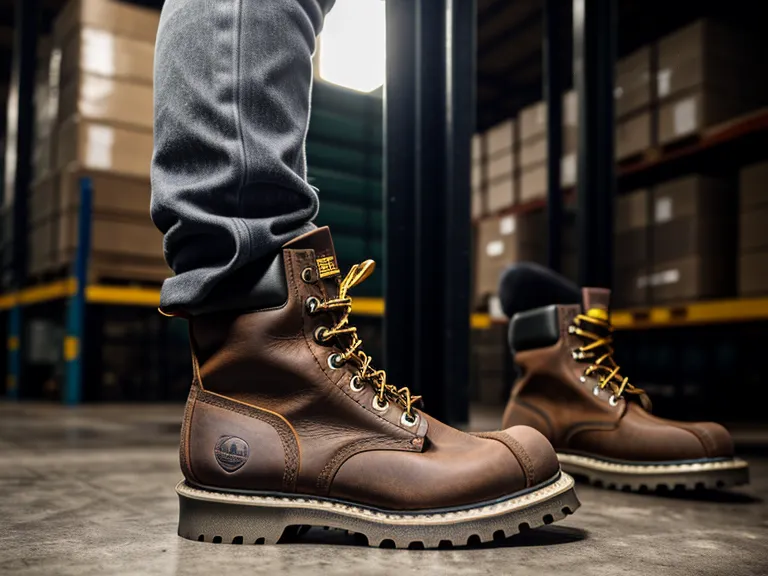
Both boot types carry a protective safety toe, so nobody's trading away protection to save weight here, the real difference shows up in what's left in your legs by mid-shift, not on a safety spec sheet. I remember stepping into a puddle that had pooled outside the loading bay door one November morning and realizing, a beat later, that the cold never made it up through the sole. That's a small thing, but it's the kind of small thing that tells you a boot is doing its job instead of just sitting there.
Maintenance on either style comes down to the same habit: a stiff brush dragged through the welt channel every few weeks to knock the dried grit loose before it works its way into the stitching. How a welt is actually built -- stitched-down, cemented, or real Goodyear construction -- is its own argument, and one I'd rather cover properly somewhere else than squeeze into a paragraph here. What I can tell you is that neither boot needed babying to keep its welt intact through a full winter of salt and slush.
Break-In Week: Stiff Leather Versus a Sneaker-Built Midsole
Break-in on the heritage side used to mean a week of blisters and a bottle of ibuprofen before the leather gave up fighting your foot. The athletic-tech shell skips most of that fight because the midsole is already doing shock-absorbing work a stiff leather sole never will on bare concrete, which has zero give of its own. Whether that cushioning still has any life left in it after months of daily wear is a longer conversation, one I already worked through in my piece on the Best Work Boots for Plantar Fasciitis When You Walk All Day, where arch support over the long haul is the whole focus.
Toe box width is a separate fight from all of this, and one that changes the whole calculation if your feet run wide. That's not something I'm settling inside a boot-weight comparison -- it deserves its own side-by-side rather than a paragraph tacked onto the end of this one.
Does a Double-Shift Inventory Week Expose the Weak Pair?
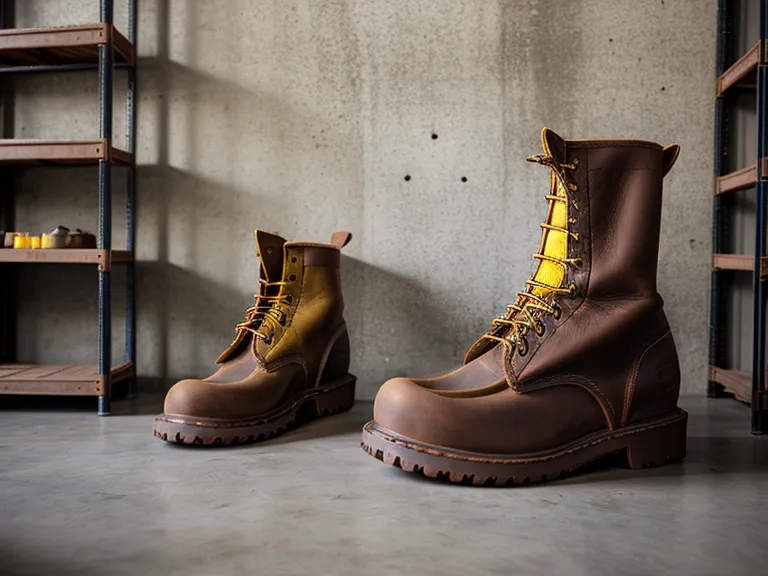
The heaviest stretch of inventory season is the real stress test -- twelve-hour double shifts back to back with no easy days in between. That's when a stiff heritage boot starts to feel like a mallet working over your heels by the third day straight, while the cushioned pair still feels alive underfoot by the time the shift ends. Whether the upper on either style holds its shape under that kind of daily flex is a different question again, one that plays out very differently on a pair of Dr. Martens in a distribution center than it does on a Rockport. I've also logged time in the boots covered in my Six Months on the Warehouse Floor: My Honest Take on Rocky Boots piece, and the break-in curve there is its own story worth reading if that's the deciding factor for you.
Salt and Slush Test the Welt on Both Pairs
Road salt is where a lot of boots quietly fall apart, and a full winter of it leaves a white crust around the welt edge no matter which pair you're wearing. A damp rag and cheap leather conditioner wipes most of that off on either boot, so that's not the differentiator people expect it to be. The leather on the athletic-tech side runs thinner than what you'd find on a Rocky Boot, which is fine for indoor work with the occasional trip across the lot, but it's not the boot I'd reach for if I were outside in slush for half my shift.
Rain tells a different story than salt does. Three hours on wet tarmac helping the yard spotters clear a bottleneck is enough to expose a boot with a cheap plastic-heavy liner, the kind that keeps water out and turns your foot into a sauna in the process. A liner that breathes without sacrificing the waterproofing costs maybe a couple of fast-food runs more than the bargain pair, and it's one place where the pricier boot earns that difference outright.

Pick Your Pair Based on the Floor, Not the Job Title
Weekends are the real tell. My mother's old Lab still gets walked most Saturdays, usually out at South Park, and by the end of a work week my feet used to be too sore for that walk to feel like anything but a chore. Lately the cushioned pair is the one I reach for on a day off too, because it doesn't feel like gear I'm counting down the minutes to take off. A neighbor of mine coaches his son's Little League team over in Peters Township and swears by a completely different boot for standing on wet grass three nights a week, which is really the point: the right boot depends on the ground you're standing on, not on which one looks toughest in the parking lot.
If the job means mud, standing water, or a genuinely rough construction site, a Georgia Boot is still the right call, and no amount of cushioning technology changes that. If the job means five to seven miles of concrete a day and a title that has you moving instead of standing still, the lighter athletic-tech boot is the one that gets you to the end of a shift without your back staging a protest. That's the whole trade-off, and it's worth figuring out which side of it your actual day falls on before you spend two paychecks on the wrong answer.
That doesn't make me a podiatrist, a bootmaker, or anything close to a medical professional, and if your feet are dealing with something past normal end-of-shift soreness, that's a conversation for an actual doctor, not a maintenance guy with strong opinions about welts and midsoles. Twenty years of buying the wrong boot more often than the right one boils down to one rule: let the floor decide the boot, not the job title stitched into your safety vest.