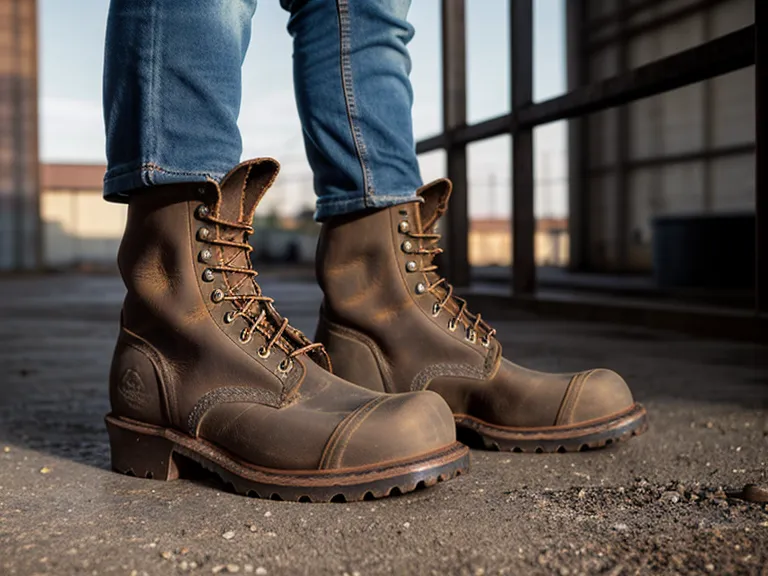
Steel holds winter the way a spoon holds it after you pull it out of the freezer; composite doesn't do that to your feet. That's the plain physical difference that finally got me looking hard at Rocky boots with composite toe protection instead of grabbing another steel-toe pair out of habit. Composite-toe work-safety gear isn't hype for guys tired of clearing a metal detector four times a shift — it changes what your feet feel like by the back half of a shift, and picking the right maintenance-gear pair takes more than glancing at a box label.
My rounds at the distribution center changed enough over the years that steel stopped making sense. More mileage on bare concrete, more trips through the metal detector at the dock doors, more time working near electrical panels — carrying a chunk of steel on each foot just wasn't paying off anymore. Standing on hard floors for a living will make you rethink gear you've defended out of pure stubbornness, and composite toe caps were the first thing I changed my mind about in a long while.
Composite Toe vs. Steel: The Floor-Level Difference
Composite toe caps run something like thirty percent lighter than steel. Rocky's version still passes the same ASTM F2413 impact and compression testing, plus an electrical hazard rating that keeps you from wearing a lightning rod near a live panel. That's the certification story in one sentence, and honestly it's not where I spend most of my attention when picking a pair. What I noticed first wasn't the weight. It was temperature. Composite doesn't pull heat out of your foot the way steel does, so my toes stayed normal while a couple guys on my crew were still stomping their feet against the cold by mid-shift.
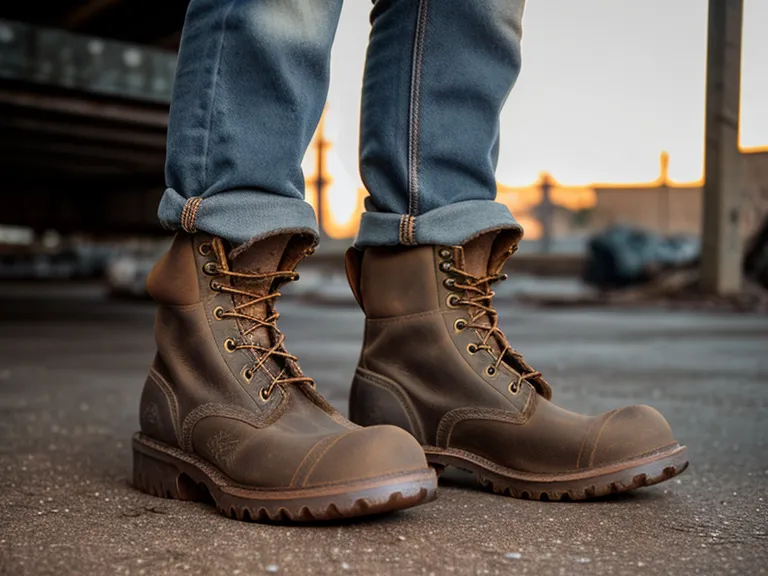
None of the guys running steel would admit it, but you could see it. They kept shifting weight foot to foot, stamping like restless horses at the security gate while my feet just felt normal. Cold doesn't care how tough you think you are. It took an actual Pittsburgh winter in composite to convince me steel's reputation doesn't cover everything a shift throws at your feet.
Why the Lightest Rocky Isn't the Right One
There's a rule everybody repeats in the break room: buy the lightest boot you can find. I'll push back on that one. A composite toe already sheds weight over steel, so chasing the absolute lightest model in the lineup usually means giving up midsole thickness and shank support you'll miss the first time you're climbing a ladder to a jammed sorter or crossing loose gravel in the yard. A boot with a little more structure underfoot doesn't twist on you the way an ultralight pair will.
A guy I worked with a few years back went the other direction, buying the thinnest, lightest safety shoe on the shelf to save some money — about what a takeout dinner costs, by his own math — and by the time spring rolled around he wouldn't stop complaining about his arches. Arch fatigue from an under-built midsole is its own long conversation, one I'll leave for another day, but his case made the point for me: a boot that's too flimsy makes your feet work harder just to stay balanced, and that wears you down faster than a slightly heavier toe cap ever will. I've laid out the longer version of Rocky's break-in curve in my honest take on Rocky boots, and the short version repeats the same lesson: stability wins over weight savings almost every time.
One pair I bought a while back felt like bricks strapped to my feet on day one, so I tried the easy fix — wearing them around the house for a week before my first shift in them, watching TV, walking out to check the mail, breaking them in the lazy way. It didn't work. Three hours into that first real shift on concrete, my heels were just as raw as if I'd skipped the week entirely. A couch doesn't load your foot anything like a ten-hour shift does, so however good an idea that felt at the time, it bought me nothing.
What a Real Impact Test Looks Like
Somewhere around three months of daily wear, I got my first real test. I was swapping a motor casing on a conveyor and it slipped, catching the toe of my boot on the way down. It wasn't a huge drop, but it was enough to make me flinch. The hit landed with a dull thud, more like a plastic bucket hitting the floor than the ring steel usually makes, and I braced for a dent or a split seam.
Nothing happened. No dent, no crushed toe box, nothing that stuck around for the rest of the shift. Steel can deform and stay pressed down against your foot when it takes a hit like that, which is its own kind of trouble, while composite tends to spring back or, in a much harder hit, shatter outward instead of caving in on your toes. For a guy who spends half his shift kneeling under machinery, that difference is worth more than a tank of gas.
Checking Fit Before You Trust the Rating
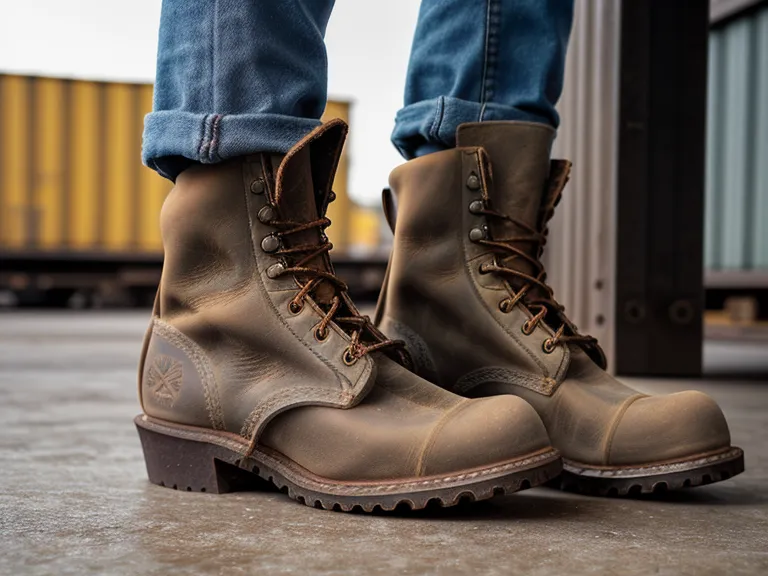
Terri Pruszkowski runs second shift on the dock at the same place I do, and she's not shy about toe box shape. Her feet run wide, and she'll tell you flat out that a composite rating means nothing if the box pinches before you've even laced up. Fit still comes before certification, in my book. A rated toe cap that crushes your foot at the widest point isn't protecting anything; it's just making the shift feel longer.
Welt construction is the other thing I check before weight even enters the conversation, running a thumb along the seam for looseness or separation, though that's really a conversation about when a boot's done for, not this one. Upper leather quality is its own long-running argument I've had with guys about other brands entirely — a subject for another article, not this one.
If wet floors are part of your day too, I've written separately about insulated Rocky boots for cold docks — membrane waterproofing versus treated leather is its own comparison, and a different question from what's happening inside a composite toe cap — worth its own read rather than a paragraph tacked onto this one.
Salt season maintenance is its own routine I could write pages on by itself, but most winters it comes down to small moments: running a stiff brush through the welt channel some Sunday night, scraping out grit that dried in there sometime during the week, that scratch of bristle against packed salt oddly satisfying after a long stretch of shifts.
Out in western Ohio, a reader named Gus Hornak wrenches on semis pit-side, and he emailed asking whether a composite toe changes how a boot grips on wet epoxy shop floors. Fair question, wrong part of the boot. Slip resistance comes down to outsole compound and tread pattern, and wedge versus lugged tread is its own comparison entirely, with none of it tied to what's protecting your toes. I pointed him toward outsole specs instead and left it there.
The One Thing I'd Tell a Guy Buying His First Composite Pair
About seven weeks into wearing composite steady, I put three miles down on the towpath trail out past Cranberry Township on a Saturday morning, the kind of walk that usually left my ankles stiff and complaining by Sunday. Sunday came and went without a word from them.
That's the real case for composite, more than the rating on the box or the weight you save: your feet get through a shift, and the day after, with less complaint, and that adds up over months in a way no spec sheet shows you. If you're a supervisor logging more miles on the move than hours at a desk, safety toe shoes built for comfort might be worth a look too, but for straight protection on a rough floor, a solid composite Rocky is hard to beat once you've matched it to your foot instead of just the label.