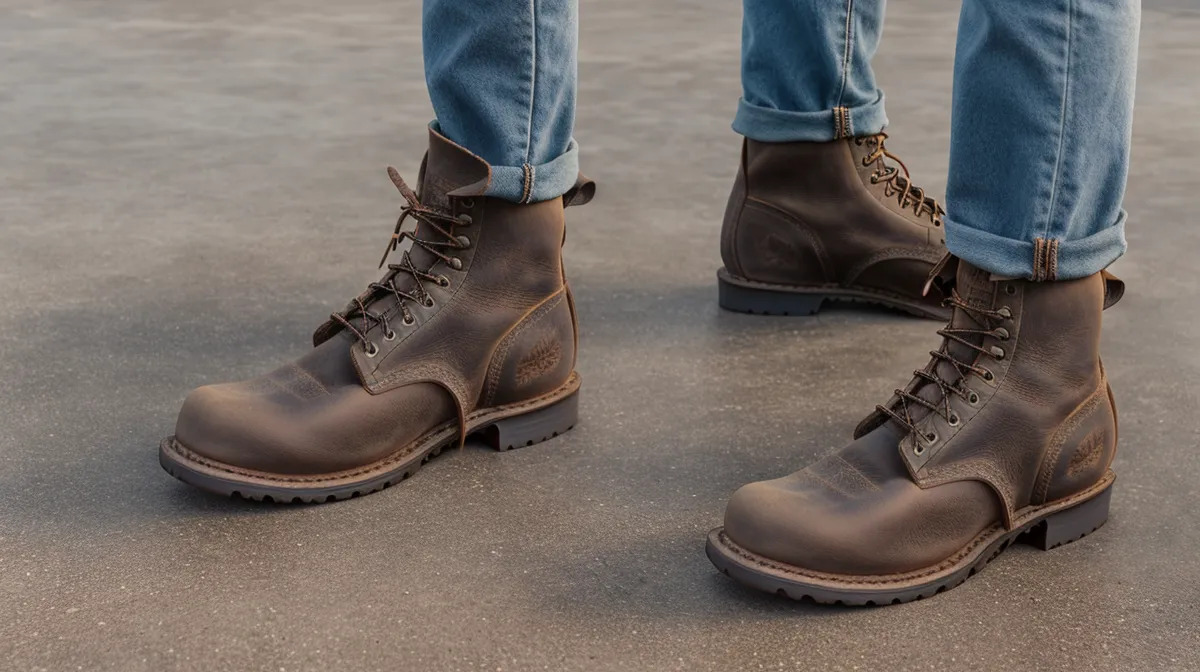
Five percent. That's the acetic acid concentration in a jug of plain white vinegar from the grocery store, and it happens to be the exact number standing between a three-hundred-dollar pair of boots and a slow death by road salt. Winter boot maintenance around Pittsburgh isn't complicated, but it comes down to a number most guys never check — what's actually in the rag they're wiping their boots down with, and whether it can neutralize what's actually eating the leather. Thursday boots pick up more road salt in one Pittsburgh winter than most boots see in years of casual wear, and leather cleaning done wrong strips them just as fast as the slush does.
Water gets blamed for a lot it doesn't deserve. Leather dries out fine on its own — it's the calcium chloride and rock salt this state dumps on every secondary road that does the actual damage, because both are alkaline enough to strip the natural oils right out of a hide. I picked up dog food at Settlers Ridge shopping center in Robinson Township a few weeks back, and by the time I got back to the truck, the toes of my boots already had that first dusting of white creeping up from the sole. That's not a stain. That's the leather losing a fight it doesn't know it's in.
Why Leather Cleaning After a Salt Storm Isn't Optional
Road salt is highly alkaline, and Thursday's "Thursday Chrome" tannage — a hybrid finish built to look sharp and hold up at the same time — still can't stand up to that kind of pH shift over a full season. Salt pulls the fat and oil out of the hide fiber by fiber. Once those oils are gone, the leather doesn't just look chalky, it starts to fray at a structural level, and no conditioner reverses fiber damage once it's already set in. You're not fighting dirt at that point. You're fighting a chemical reaction, and the only way to win is to stop it before it finishes.
A neighbor of mine coaches his son's Little League team over in Peters Township, and even he complains about salt eating through his work boots well past the point most people stop thinking about winter. Salt damage doesn't respect a calendar the way people assume it does. It respects contact time and concentration, nothing else.
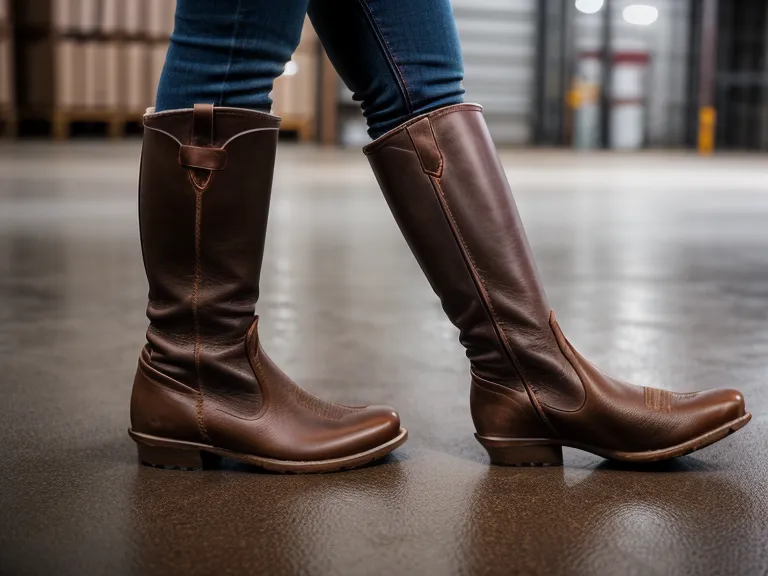
Wipe It Down Tonight, or Let the Crust Sit?
Two schools of thought exist on this, and I've tried both long enough to have an opinion. The first: hit the salt the second you see it, every single time, no exceptions. The second: let a light dusting sit for a day and only break out the rag once it's turned into a real crust. Neither one is wrong on its own, but picking the wrong one for your situation costs you leather either way.
Straight water just moves salt around on the surface instead of breaking it down, which is why plenty of guys wipe their boots every night and still end up with cracked toes by February. Vinegar works because it's acidic and salt residue is alkaline — mix one part water to one part standard grocery-store vinegar, at that five percent concentration, and you're neutralizing the chemistry instead of smearing it across more leather. Dip a rag, damp-wipe the white rings, don't soak the boot. The white marks fade almost as fast as you can wipe them, and that's the acid doing its job, not magic.
But scrub that same boot down every night regardless of how much salt is actually on it, and you're stripping the natural oils out just as fast as the salt would on its own — you're just doing the salt's job for it with extra steps. Boots that get a water-based wipe-down daily, whether they need it or not, start looking dull and lifeless well before the ones that only get treated once the crust actually shows up. Leather needs time between treatments to reset. Constant dampening never lets it get there.
So here's where it actually lands: wipe immediately when the boots are going to sit wet for more than half a day, because standing moisture with salt in it does the worst damage of anything on this list. Let it crust over first when the exposure was brief and the boots are drying out anyway — a light dusting that's had a chance to dry isn't actively eating anything until more moisture reactivates it. Treat every fleck of salt like an emergency and you'll wear the leather out yourself. Ignore it for days on end and the salt does what salt does. The trade-off isn't complicated once you see it that way.
The Welt Line Everyone Skips
Thursday uses a Goodyear welt on most of its lineup, and that little ledge where the upper meets the sole traps road grit and salt crystals better than almost anywhere else on the boot. Left in there, that grit acts like sandpaper with every step, working through stitching that does more structural work than most people realize — welt construction is its own deep subject and not one I'm getting into here, but a dirty welt line is where a boot's timeline gets cut short first. I've gone over how these boots hold up in a maintenance environment before, and the welt is always where the neglected pairs show it first.
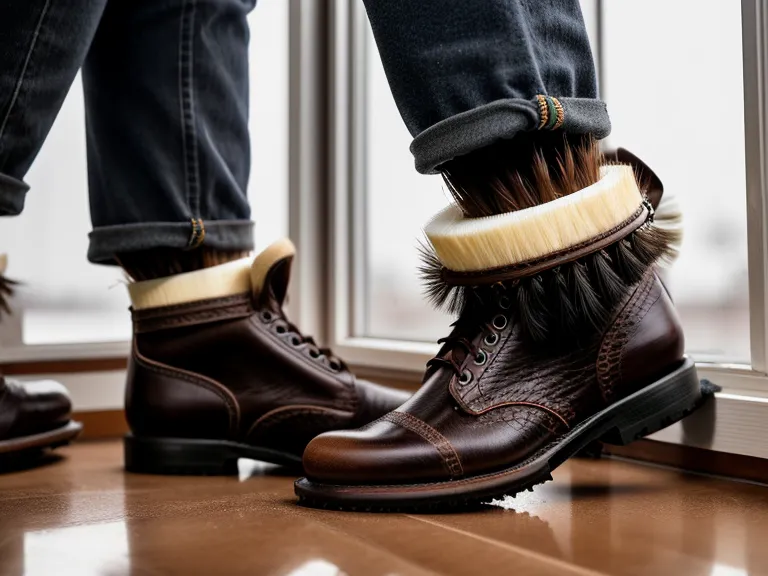
A horsehair brush handles that job better than plastic, which is stiff enough to scratch the finish if you're not careful. Get into the welt line before the grit dries in place, flick it all out, and you've added maybe thirty seconds to the routine. Skip it for a season and you'll watch stitching fail well before the leather itself gives out.
Reading the Leather Before It Cracks
I keep a rotation of boots on a low shelf in the mudroom, and I was kneeling down going through them a while back when I noticed something off about an older pair — the toe box wasn't squeezing back against my foot the way it used to when I first broke them in. That's not a salt stain you can wipe away. That's leather stretched past the point of holding its shape, and whether you started out in a wide toe box or a standard last changes how fast you'll notice it, which is a conversation for another day.
A cheap fix I tried once was shoving drugstore gel insoles into a pair that had already gone flat in the arch, figuring a small patch job would buy another season out of them. It didn't. The insole just papered over a problem that was already structural, and the boot gave out anyway within a matter of weeks. Arch support longevity is its own rabbit hole — enough of one that it deserves a full conversation instead of a paragraph — but the short version is that no insert fixes a collapsed arch, it just delays you noticing.
None of this touches how the upper material itself holds up over years of rotation, which varies enough by brand and tannage to be a separate comparison on its own. Same goes for wedge soles versus lug soles trapping slush differently underfoot, how long a break-in period a stiff new pair needs before the leather stops fighting you, and what's actually rated in the steel or composite toe underneath all that stitching — all real questions, none of them answered by a rag and a bottle of vinegar.
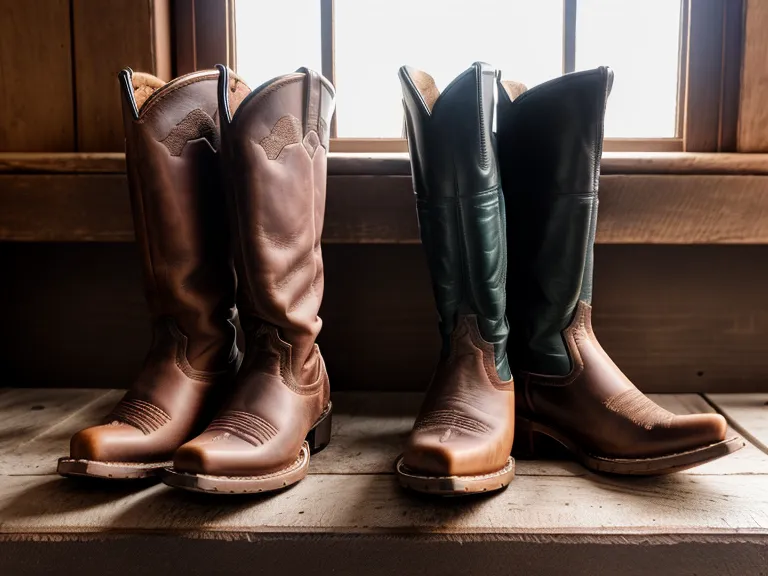
Conditioning After the Storm, and When Leather Isn't the Right Tool
Vinegar neutralizes the salt, but it also strips the leather's pH back down to nothing, and dry leather at that point is thirsty leather. Leave a damp boot somewhere unheated overnight in January and by morning the leather's gone rigid enough to creak when you bend it — cold does almost as much damage as the salt if the boots sit wet and cold at the same time. Let them air dry away from any heater or vent instead, since direct heat cracks leather faster than salt ever will, then work in a light conditioner once they're fully dry. Nothing heavy enough to leave a greasy shine, just enough to put back what the vinegar took out and bring the matte finish back to where it started.
Treated leather stops repelling water long before it looks like it has, and road salt is what strips that treatment fastest of anything it'll ever run into — which matters, because plenty of guys treat their leather boots like they're rubber and then wonder why the vinegar routine stops working by midwinter. Thursdays handle a slushy parking lot or a wet loading dock fine. They were never built for standing in six inches of water for a full shift. For that kind of exposure, something like Hunter Chelsea boots for wet maintenance work makes more sense than asking a leather boot to do a rubber boot's job.
I stopped buying Timberland Pro's budget line a few winters back after watching the eyelets rust through on two separate pairs before the leather itself even started to go — a cheap detail that undid an otherwise decent boot. That's the real lesson in all of this: leather care matters, but it only pays off if the boot underneath deserves the effort. Wipe when the exposure calls for it, let it crust when it doesn't, condition once the pH is back to neutral, and know when the job calls for rubber instead of leather. That's the whole system. Everything else is just picking which pair earns the effort.