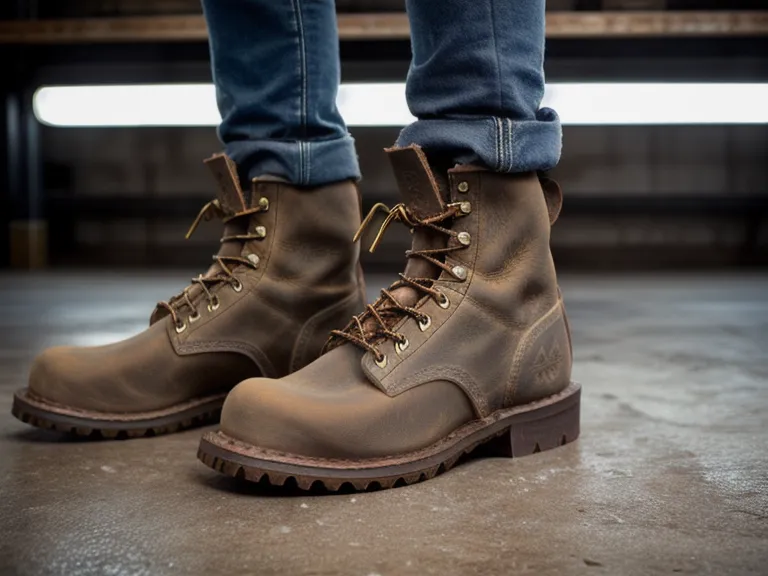
Water finds the seam along my left boot before I've even made it past the first aisle, a thin, cold line creeping in from outside, right where the upper meets the sole. Ten hours on a concrete floor and I already know how the rest of that sock is going to feel by the end of it. Waterproof work boots get sold off a label stitched into the tongue, and I've worn through more pairs than I want to admit finding out which of those labels actually mean something once the leather's been wet for six hours straight. Real boot durability on a maintenance floor has nothing to do with the box they came in, and everything to do with what's holding the sole to the upper once things get messy.
Why Do Most Waterproof Work Boots Quit by Midwinter?
Most guys on my floor figure any boot stamped "waterproof" will get them through a shift, and that assumption costs them a new pair every few months. What actually decides whether a boot lasts usually comes down to the upper. full-grain leather stands up to repeated soaking in a way cheaper corrected-grain uppers don't, and upper material durability alone can be the difference between a boot that makes it past month four and one that doesn't. I've watched two different new hires grab the cheapest boots off a discount-bin shelf and have the finish flaking off the toe before the first real wet stretch of the season was even done.
I used to think a stiff new pair could be broken in by wearing it around the house for a week before ever starting a shift, padding around the kitchen floor and calling it progress. That never worked. The leather just creased wrong and I still walked into the same hot spots once I hit the concrete, because a boot's real break-in period only happens under load and grease, not carpet. Whatever actually shortens that period is a longer conversation than I've got room for here.
The Welt Underneath the Rocky Pair
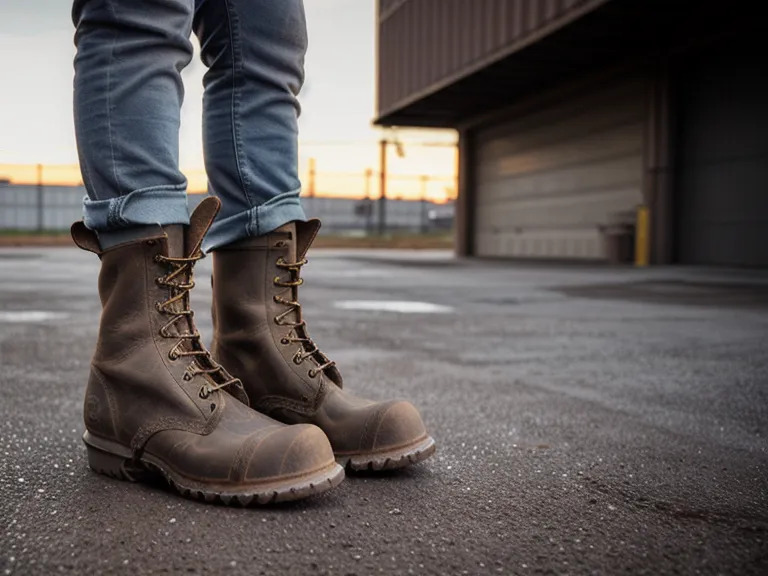
Rocky is the pair I reach for first on a bad-weather week, mostly because of what's holding the sole on. That boot runs an eight-inch shaft, tall enough that stepping off a curb into a puddle deeper than it looks doesn't send water straight down past the tongue, and the lace-up keeps my ankle from rolling on a slick dock ramp. Heel and shank geometry matters here more than people give it credit for, though that's really its own conversation about how a boot cups your foot going into a ten-hour day. Underneath that, the Rocky Boots I've worn are built on a Goodyear welt, stitched to the upper rather than glued to the sole, and I've gone deep on why that construction outlasts a cemented sole once the leather's been wet for hours in a piece I wrote just on that, so I won't retread it here. None of that touches electrical-hazard protection, which is its own hard requirement for guys working anywhere near live panels, not a bonus feature to shop for.
Georgia Boots Took the Chemical Line Without Cracking
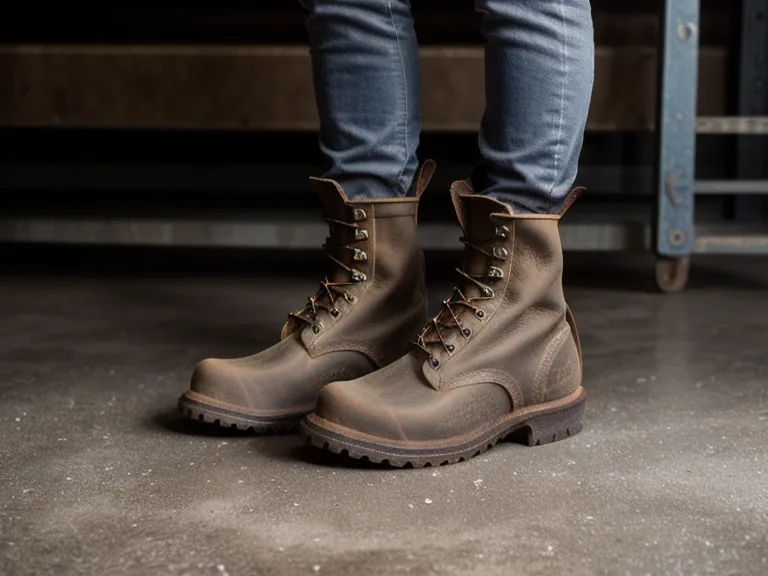
Georgia Boots picked up where the Rocky pair left off once I moved closer to the conveyor lines, where standing water and the odd chemical spill are just part of the floor. I went with their standard lug sole instead of the wedge-sole version they also sell. Wedge sole versus lug sole is genuinely its own debate depending on whether you're standing still or covering ground all shift, and I didn't want to relitigate that decision every time the floor got greasy. Georgia Boots are heavy and utilitarian, however you want to put it, but the leather didn't crack, and the outsole held its shape near the spill zone without turning soft or gummy. That says more about how an outsole compound handles chemical exposure over time than any spec sheet does. The extra weight on the foot is a real cost by hour ten, and boot weight against walking fatigue is worth weighing before you buy, though I'd rather carry the extra ounces than replace a cracked pair every season. None of this gets near puncture-resistant midsole plates or safety-toe rating, both of which matter more on an active construction site than on my floor, so I'm not going to pretend I've stress-tested either one here.
Skip the Liner, Trust the Leather
Gore-Tex gets recommended by default, but I've mostly stopped buying liner boots for shift work. A well-conditioned leather upper has kept my feet drier over a full ten-hour stretch than a lined boot has for me, and the waterproof-membrane-versus-treated-leather argument is a longer one than I've got space for here. I'll just say the leather route has worked better for my feet, humidity and all. Staying on top of that leather means conditioning it regularly, and I've laid out how I do that in a separate piece on keeping the uppers from drying out, though salt and leather conditioning through a real winter is its own longer subject once road salt gets involved, and I'm not opening that can here. Insulation rating against how much you're actually moving during a shift is another separate calculation entirely. None of the pairs I'm talking about here are heavily insulated, and that's on purpose, since standing still in a warm boot is a different problem than walking a floor in one.
The Thursday Boot's Toe-Box Problem
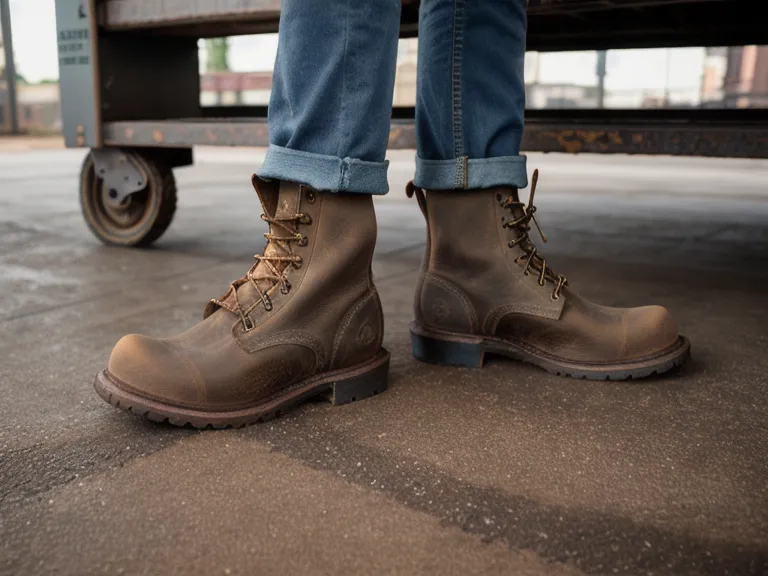
Thursday Boots looked like the right call for flights and meetings with facility managers, sharp enough for the office and still boot-shaped enough to feel legitimate. Once I took them out to a gravel-yard repair job, the toe box told a different story than the leather did. It runs tighter than what an actual wide-toe-box boot should, and I felt that squeeze in my little toe by hour nine on unyielding concrete. Thursday Boots are built well for the street, no argument there, but a narrow toe box on a swollen foot after a long shift is a fit problem, not a durability one. Arch support longevity is a related question I still track separately from toe box width, since a boot can nail one and completely miss the other, and a footbed that holds up for months doesn't mean much if the front of the boot is squeezing your foot the whole time. I've kept the Thursdays for weekend walks out along the North Shore Trail instead, walking my mother's old Lab, where an hour or two doesn't ask as much of my feet.
Rubber Has Its Place, and It Isn't the Shift Floor
Rubber comes into the picture when the rain gets bad enough that even good leather feels like the wrong tool. Hunter Boots have been making rubber boots since 1856, and I trust them for exactly one job: getting from the truck to the building when the drainage backs up in the lot. They've got no protection worth mentioning if something heavy lands on your foot, and standing in them all day without any real support underneath is asking for trouble by the end of a shift, so they stay in the truck rather than on the floor. I also keep a pair of Durango Boots around for the in-between days, when the ground's just damp instead of standing in water. Comfortable enough out of the box, but they're a fair-weather boot, not something I'd trust through a full stretch of freezing rain and slush.
So What Actually Held Up?
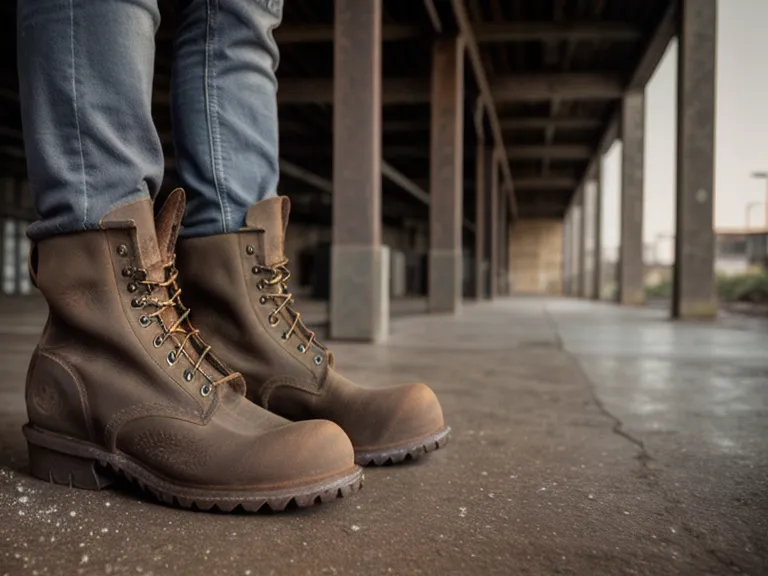
By the fourth week of this rotation, doing my usual Monday walk down all four aisles before the floor filled up with forklifts, I noticed something. My feet weren't just dry. My heel wasn't rubbing anymore either, not once, and that's when I knew the Rocky pair had actually settled in instead of just holding up. Rocky Boots made it through the whole wet stretch of the season without a leak or a blown-out welt, and that's saying something after everything else I put through the same rotation. Terri, who runs second shift and has texted me more complaints about floor conditions than I can count, still thinks I'm nuts for spending what works out to a few takeout dinners more on a pair of boots instead of grabbing whatever's cheapest and replacing it twice as often. She's not entirely wrong about the math, but she's also not the one whose socks are soaked by hour four. A reader out in Ohio who wrenches on trucks pit-side sent me a photo of his own boots a while back, worn heel and all, with notes written right on the print about where they'd started splitting. That kind of firsthand wear tells you more than a marketing page ever will. A boot can be as waterproof as anything on the shelf, but if the sole peels or the toe box crushes your foot, none of that waterproofing matters anyway. If you're tired of squelching through a shift, Rocky Boots are where I'd point you first. They've been the most consistent thing on my feet through this whole stretch, and for someone who's cycled through more pairs than he can name, that's not nothing.