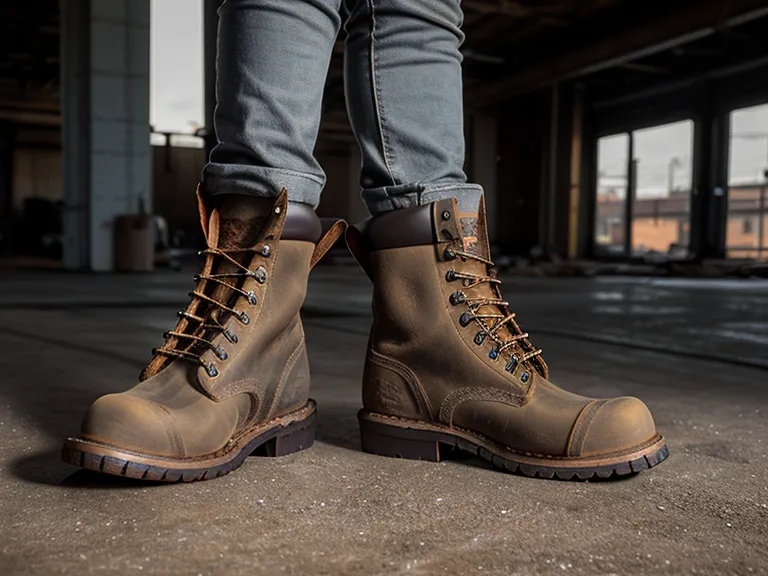
There's a boot on my workbench that won't go back on the shelf until I've dug the grit out of the seam where the sole meets the upper, a brush worked into that groove until my knuckles ache a little, and that's usually how my Sunday mornings start before the garage gets restocked for the week. Guys on the maintenance crew ask why I bother, since the boot still walks fine with grit packed into the stitching. Here's the myth I keep running into on the shift floor: that a cemented sole marked 'heavy duty' or 'commercial grade' on the box holds up as long as a boot with true Goodyear welt construction, and the only real difference between the two is price. It doesn't work that way, and I've gone through enough pairs of footwear that claimed to be durable to know exactly where that idea falls apart.
The Goodyear Welt Myth That Costs Guys Two Pairs a Year
Cement is industrial glue, no matter what the tag says. It holds fine on a boot you wear to walk the dog around the block, but a maintenance shift runs that bond through heat off the furnace room, hydraulic fluid, and floors that never fully dry, and eventually it breaks down. A Goodyear welt backs up the upper-to-sole connection with actual stitching threaded through a welt strip, so when the glue underneath finally gives out, the thread's still doing the job. That's the real answer to the myth: it isn't about the words printed on a box, it's whether the sole depends on adhesive alone or has a mechanical backup holding it there too.
None of that toughness comes free right out of the box, either. A welted upper usually starts out stiff, thick leather that won't give until it's logged some hours on your feet, and I'd rather point a guy toward how to break in new work boots without getting blisters before his first ten-hour shift in a new pair than have him tough it out and end up limping by Wednesday. That stretch-in period is its own topic, with its own rules, separate from why the boot's still holding together a year later.
Why Doesn't Rotating Two Pairs Fix It?
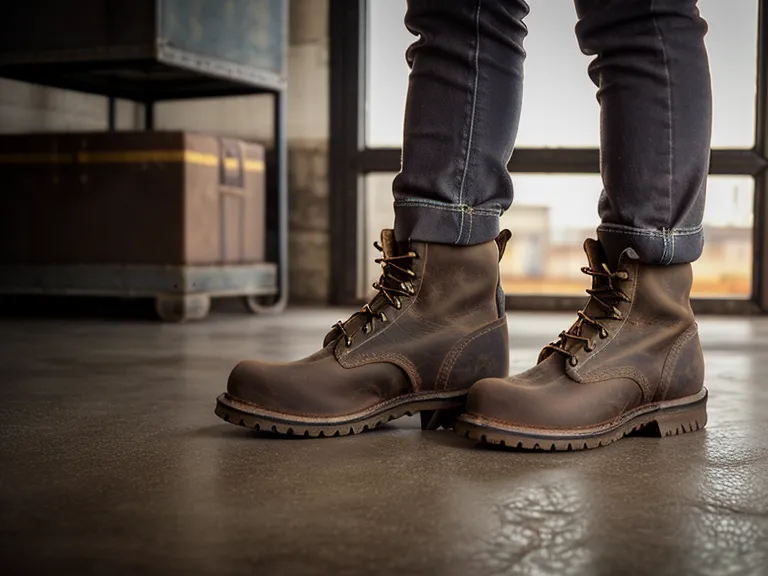
Rotating between two cheap pairs was my workaround for a while, the thinking being that resting one while wearing the other would stretch each pair's life out twice as long. It didn't. Both pairs still separated at the toe eventually, just a little slower than if I'd worn one straight through every day. Rest time doesn't repair an adhesive bond that's breaking down from heat and chemical exposure; it just spreads the same failure across two pairs instead of one. Guys treat boot failure like fatigue you can rest away, when it runs closer to a chemical reaction working on its own clock, resting or not.
There's a puddle that shows up every November by the loading bay doors, same low spot, same runoff, and I remember stepping straight through it one shift without breaking stride, only realizing halfway down the aisle that my foot was still dry and still warm. No cold creeping up through the sole, no sock going damp partway through. That's a welted sole doing its job quietly, a mechanical seal holding tight where a cemented edge would already be starting to peel back and let water wick in.
Chemicals Are the One Exception That Flips the Myth
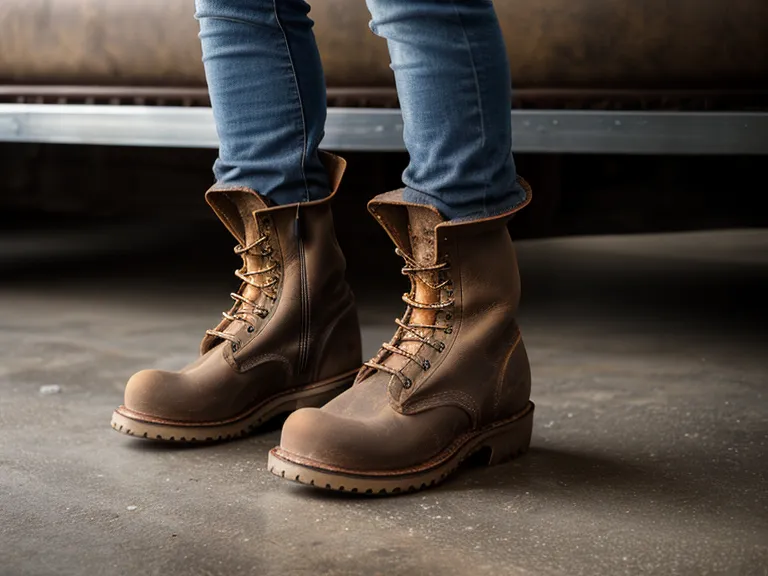
Chemicals change the math, though, and this is the one place the myth flips on you. Stand in pools of degreaser or battery acid for a good part of your shift and that exposed welt stitching can break down faster than a sole that's direct-attached with something like polyurethane, no stitching involved at all. The thread eats away, the welt opens, and you're back to a wet sock by lunch. For general maintenance and warehouse work the welt wins easy; for a chemical tech standing in harsh solvents all day, it's worth asking the counter guy which sole spec actually holds up in that environment, since how tough the upper material itself is turns into a separate question from how the sole's attached once acid's involved.
Salt Season, Heat Waves, and What Welt Construction Doesn't Fix
Salt season is where a lot of guys lose a boot they didn't have to lose. White crust builds up on the leather, the hide dries out, and it cracks right at the flex point if nobody does anything about it. A welted boot survives that fine structurally, upper and sole staying married through the worst of it, but the leather itself still needs attention, which is why I started paying attention to how to condition leather work boots for maximum water resistance instead of just letting the salt dry out the hide on its own. Conditioning the leather through a bad winter is its own maintenance habit, separate from the welt holding the frame together.
Heat waves test the boot a different way. These aren't marketed as breathable work boots for hot warehouse and distribution centers the way some lighter lines are, but leather and cork actually move air better than the synthetic foam and glue packed into a cheap cemented boot, and I notice the difference by the time I'm unlacing on the porch after a long one. None of this tells you whether you need a wide toe box, whether your arch support's going to hold up over the long run, how much a boot's weight drags on your legs by hour seven, whether the heel and shank geometry keeps you stable on uneven ground, what insulation rating actually matches how active you are, whether a wedge sole or a lug pattern grips better on your particular floor, whether you're covered by a waterproof membrane or just treated leather, or what safety toe rating the job actually calls for. Those are separate questions with separate answers, and the welt doesn't touch any of them.
Check the Sole Before You Check the Price Tag
Lou Ferrante — a guy I know from the union hall who's semi-retired now but still picks up light commercial maintenance work — asked me a while back about something lighter than what I usually wear. His feet have been giving him trouble for years and he shrugs it off every time, boots included, so I steered him toward my Durango Rebel work boots review for maintenance workers since it's built with some backbone but doesn't feel like you're hauling bricks around all shift. Lighter doesn't mean it skips the construction question, though. Cemented is still cemented, whatever the weight.
Agata Chmura runs receiving, and she's not shy about cutting off anything that sounds like it came off a catalog page. When I tried explaining welt stitching the technical way, she stopped me and just asked what actually keeps her on her feet longer without her heel screaming by the end of the day. Fair question. The short version is the one from this whole piece: check whether the sole's glued or stitched before you check anything else on the tag.
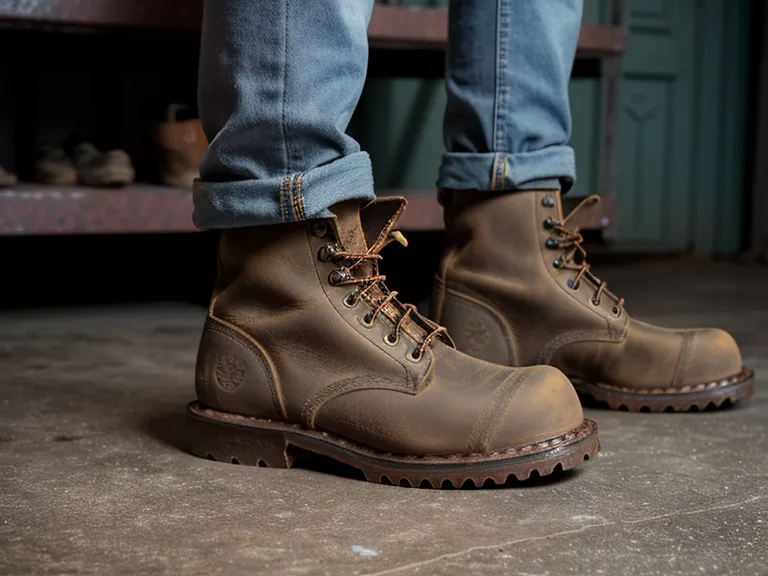
So here's the rule I give guys before they spend two paychecks on their first real pair. Flip the boot over, or just ask straight out, whether the sole's cemented or welted, because that construction detail decides more about how long the boot survives your floor than the brand name stitched on the tongue. If you're on concrete eight, ten hours a day around heat, moisture, or general grime, pay for the welt. If you're standing in harsh chemicals most of your shift, ask about a direct-attached sole instead and skip the stitching altogether. Either way, stop judging a boot by whatever adjective is printed on the box.