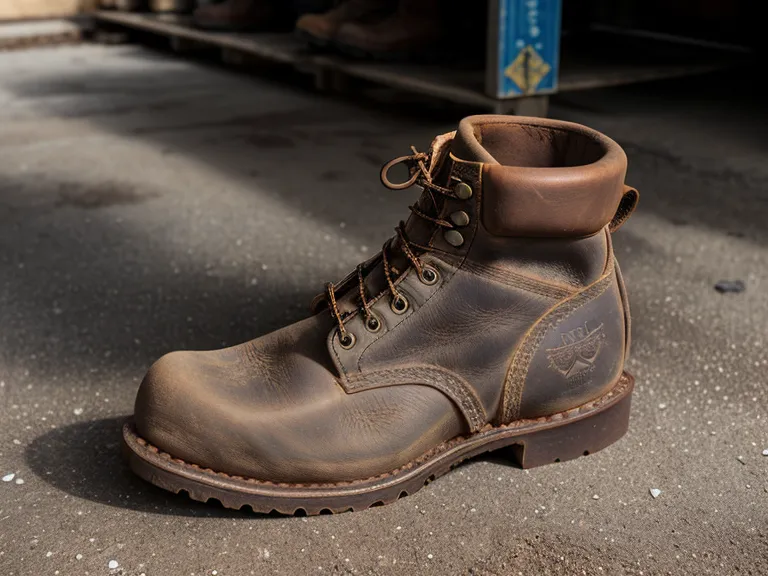
Four pairs. That's how many heritage-style boots I've retired early over the years, every one of them failing for the same reason: the leather or the sole gave out long before I was ready to stop wearing it. Work boot durability isn't about how a boot looks coming out of the box. It's about what's left of it after a real season on concrete, and that's the question that finally pushed me off Dr. Martens and Frye for good.
Quick disclosure before we get into it: some of the links below are affiliate links, and if you buy through one I earn a small commission at no extra cost to you. That doesn't change what I say about a boot — I've put shifts in on every brand mentioned here as a maintenance supervisor, not a paid reviewer. I'm not a podiatrist, and nothing here replaces an actual fitting or medical advice if your feet are genuinely hurting.
Dr. Martens Are Not Built for Actual Work
Short answer: not by default. The mainline Dr. Martens boots use a synthetic-reinforced upper that holds up a little better than most heritage leather, but the construction still isn't built around a full shift on concrete. I've watched the air-cushion sole split clean through before the first spring thaw on more than one pair, and once that happens you're basically walking on a flat tire for the rest of the day. Leather quality alone doesn't decide how long an upper survives — the reinforcement underneath does, and the mainline lines skimp on it. Dr. Martens does make dedicated steel-toe industrial lines that behave differently than the fashion mainline, and I broke down what happened with a pair of those in Dr. Martens steel toe durability for heavy industrial work.
Frye's Leather Problem on a Maintenance Floor
Frye's leather is genuinely nice — that's not the argument. It's soft, it breaks in fast, and it looks right with jeans after a shift. None of that helps when you're crouching under a conveyor motor for the third time in a day. That kind of hide doesn't have the structural density heavier work leather needs, so it stretches out and loses its shape faster than you'd expect from a boot priced at the premium end. I even tried sizing up half a size on one pair hoping for extra room around the ankle, and all that got me was heel slippage that blistered the back of my ankle. Good-looking leather and durable leather are two different claims, and Frye only ever promised the first one.
Trading Heritage Looks for Georgia Boot's ASTM-Rated Gear
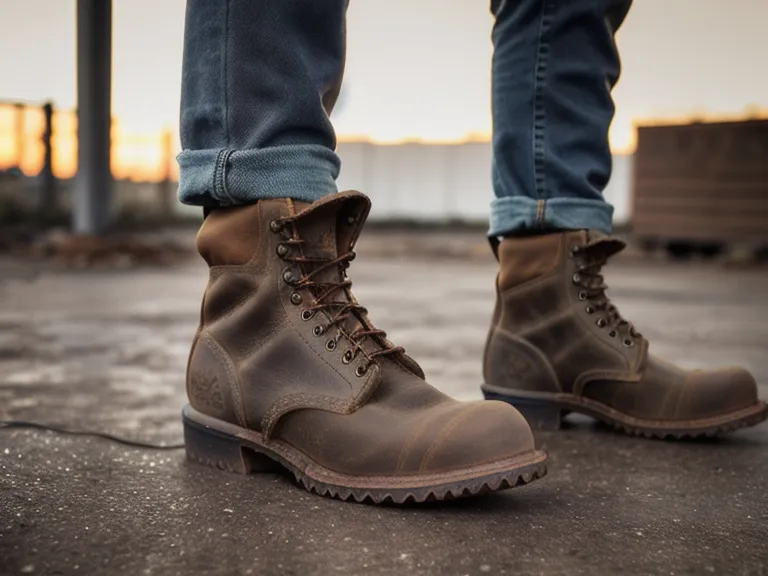
Full-grain leather built for a standard, not styled to look tough, was the difference I actually needed. I moved to a pair of Georgia Boot [Heavy-Duty] boots that meet the ASTM F2413 protective footwear standard, which is a different bar entirely from anything Frye or the Dr. Martens fashion line answers to. They sit on a Goodyear welt — worth reading up on if you've never owned a boot that could actually be resoled instead of thrown out — with a steel plate under the arch that a heritage boot never bothers with. The first stretch of shifts in them was rough; they felt like wooden buckets and my feet ached in new places, but that eased off once the welt started to give a little. I stepped in a puddle by the loading bay one November afternoon without thinking twice about it, and never felt the cold reach my foot — that's when the stiff break-in finally felt worth it.
Do You Need a Lighter Boot for Office or Weekend Days?
Not every day is a full shift on concrete, and that's fine. A Thursday Boot is a reasonable pick if you want a heritage look for an office day or a night out — the welt construction is solid for what you pay, but the toe box runs tighter than a lot of wide-footed guys expect, mine included, and it's not built for a real job site. I put one pair through a longer stretch and wrote up what I found in my Thursday Boots 90-day review if you want the fuller picture. Keep it in the weekend rotation, not the work rotation.
Rocky and Durango as Lighter Alternatives to Georgia's Weight
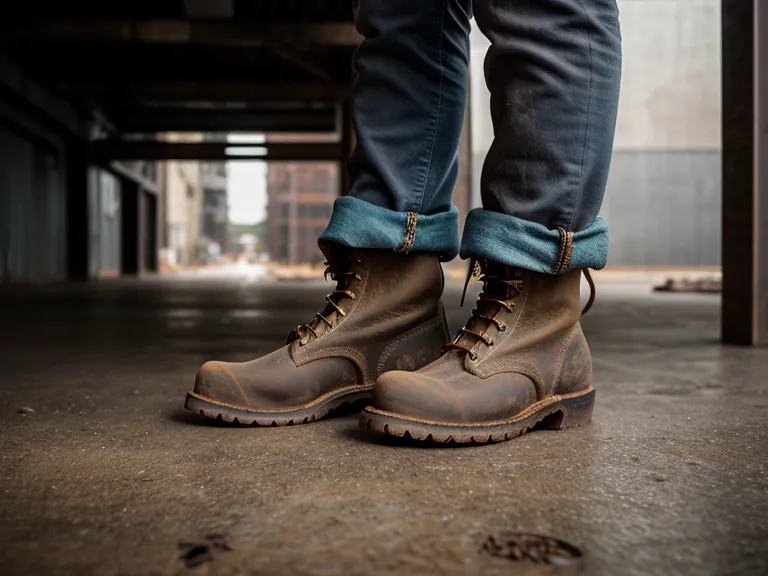
If the weight of a Georgia boot is more than you want to carry for eight hours, Rocky Boots gives you more shaft height options and a genuinely wide fit without going full heavy-duty. The community of long-term wearers around that brand makes it easy to cross-check whether a specific line actually holds up before you buy, since quality shifts noticeably between their entry-tier and flagship boots. Durango Boots is the other one guys ask me about, mostly for the western look — the heel and shank geometry on their better lines gives real support for standing, not just a boot that plays the part, though the build quality swings between model lines too. Neither one replaces a heavy-duty boot on a real job site, but both beat a fashion boot for anyone who wants some durability without the extra weight on their feet.
Work Boots Beat Heritage Boots Once You're Clocking In
The oil-resistant finish on the Georgia boots isn't the same thing as a true waterproof membrane. It's treated leather doing a specific job, not a sealed barrier, and that distinction matters more in a slushy parking lot than most guys realize. Road salt still isn't kind to any leather boot, heritage or work-grade, so whatever you buy is going to need some conditioning through a bad winter. I notice the difference most on a quiet Sunday walk through South Park with my mother's old dog, when there's no ache dragging in from the week behind me. What actually holds a boot together on a job site is the outsole bonding to a welt that isn't going anywhere, not the name stitched on the back.
If you're on concrete for a real shift, stop shopping heritage catalogs and put your money into something rated for the floor you're actually standing on. I went with the Georgia Boot Heavy-Duty line and I'd point a coworker there first. They won't turn heads in a parking lot, but they'll still be standing when the fashion pairs are in a donation bin.