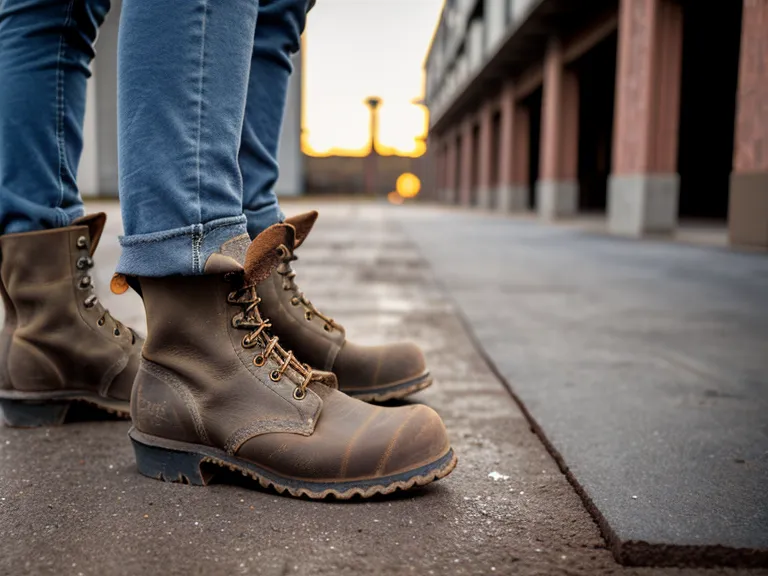
Four stops in one Saturday is usually all it takes for a boot to show its hand. That's what I was testing the first time I swapped my scuffed shift boots for a pair of Thursday Boot boots and ran errands through Settlers Ridge in Robinson Township: hardware store, dog food, a quick coffee, then back out to the lot. My heels were still sore from a double the day before, and I wanted to know if a boot built for looking sharp could survive four real stops without punishing my feet.
Before getting into how they held up, here's the disclosure: the boot links on this page are affiliate links, and if you pick up a pair through one I earn a commission at no extra cost to you. I wear these boots myself, through real shifts and real weekends, and that's the only way I'm willing to vouch for one.
If you just want the short answer before you run out the door, you can check the current lineup directly through Thursday Boot. If your feet are as particular as mine, stick around for the rest.
Why I Even Considered a Lifestyle Boot
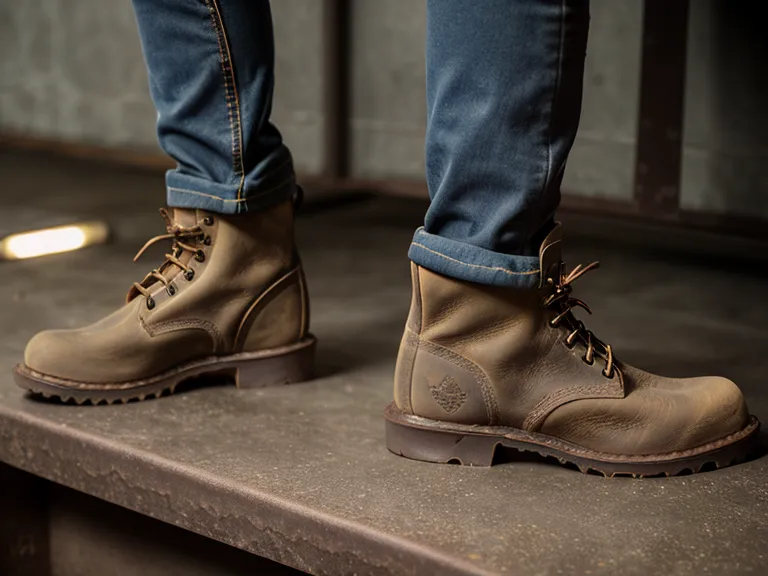
My feet spend most of the week inside heavy steel-toe boots at the parts depot. I've put plenty of miles on Georgia Boot pairs and the stiffer safety lines from Rocky Boots, and they do their job against dropped pallets and hydraulic drips. Walk into a diner or the hardware superstore in scuffed steel caps, though, and you look like you never clocked out. DeShawn Quarles, a forklift operator on my floor, ribs me about this more than anyone. He cares how a boot looks almost as much as how it holds up, and he's the one who asked whether Thursday's were worth the switch for weekend errands.
Years in maintenance bays have made my arches picky. A sole with no real shock absorption and my lower back lets me know before lunch. The six-inch shaft on a typical service boot gives enough ankle stability for a walk around the neighborhood, the same point I made digging into Heritage Boots for Weekend Chores and Walking the Dog. What got my attention with Thursday was the build underneath: an EVA comfort strip and a Poron antimicrobial footbed stacked over a traditional cork filler, not the stiff heritage insole I expected.
The First Few Miles Felt Too Comfortable to Trust
Most heritage-style boots make you earn their comfort: stiff leather, a break-in stretch that can run for weeks before the footbed stops fighting you. Thursday skipped most of that for me. Step down and you get a soft give under the heel right away, not a flat plank.
The studded rubber heel landed with a solid tap on the polished concrete near the Settlers Ridge checkout lanes, no slipping even where the tile ran damp near the produce section. Somewhere around three weekends in, the cork layer had settled into the shape of my foot, and short trips like dog food, coffee, or an hour wandering a garden center felt genuinely easy underfoot. I caught myself thinking these looked sharper than my muddy shift boots, then immediately wondering if that cushion would hold past mile four. Soft padding and real arch support are not the same animal once concrete gets involved.
Where the Taper Catches Up With You
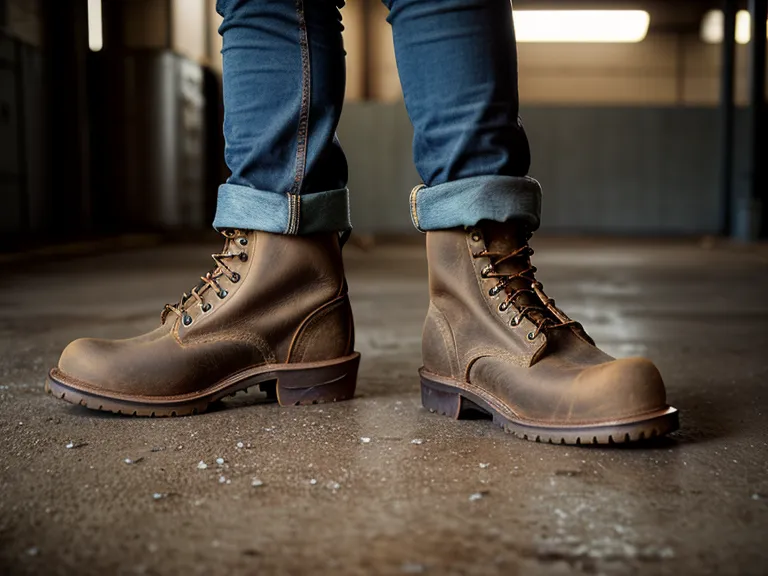
My reality check came on a hardware run that turned into three stops back to back at Settlers Ridge: lumber to haul, aisle after aisle on polished concrete hunting for the right plumbing fitting. That's where the boot showed me what it actually prioritizes.
I'd assumed my regular boot size would leave my toes room to spread, the way a work boot does, without checking how much the toe narrowed up front. A safety last leaves room on purpose so toes don't slam into a steel cap. Thursday's almond-shaped toe pulls in hard instead. By the fourth straight hour walking between racks, I felt a steady pressure along the outside of my pinky toe, not a blister, just a dull ache that wouldn't quit. Goodyear welt construction lets the lower leather relax and spread with wear, but the toe shape itself isn't going to widen into something a wide-toe-box work boot wearer would call roomy. That's a different conversation I get into in my notes on fitting wide feet.
If you're coming from something roomier, like Durango Boots or a square-toe work boot, that taper is going to feel tight at first. I went deeper on how the materials age after months of grit in Thursday Boots After a Few Months: A Maintenance Supervisor's Honest Take.
What changed my mind happened weeks later, not at the depot but kneeling down in my garage going through the rotation on the shelf, reaching for a pair near the bottom and realizing my toes weren't jamming into the front the way they had back in September. Somewhere around week seven of weekend wear, the leather had finally given enough that the taper stopped being a fight. The lesson stuck with me: a tight toe box in a welted boot isn't always a sizing mistake. Sometimes it's leather that hasn't caught up to your foot yet, and it's worth judging the fit again a few weeks in before writing a boot off.
Looks Versus Load-Bearing: The Real Tradeoff
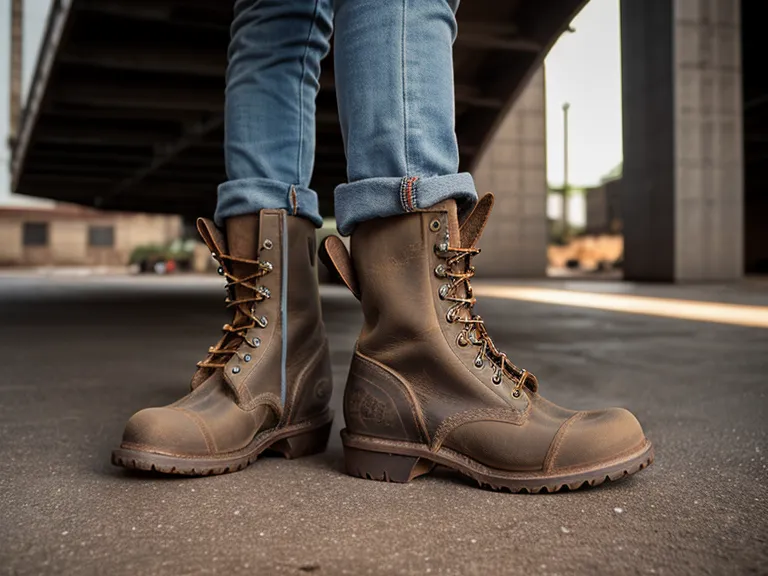
Here's the real tradeoff with Thursday: they're built for looking slim under a pair of jeans, surviving pavement grime, and cleaning up for a casual office, not for carrying drywall all day on a flat foot. I'll say it plainly, I've got no medical training and I'm not a podiatrist, and if your foot pain is chronic or you're dealing with something like plantar fasciitis, that's a conversation for a podiatrist or a real boot fitter, not a guy writing about his weekend boots.
Rain is where the studded outsole earned some trust. During a soaked stretch of fall weather, the rubber tread held up on wet crosswalks and store entrances at Settlers Ridge where a flat leather sole would've sent me sliding. They won't replace something built for actual mud, like Hunter Boots, but for a wet parking lot they hold their own. One thing I'll admit never worked on any leather boot I own, Thursday included: stuffing crumpled newspaper inside after a soaking to dry the lining out overnight. It never dries the way you'd hope, and more often than not it just presses a new crease into leather that didn't have one before.
So Are They Worth It for All-Day Errands?
For normal town walking, grocery runs, and weekend errands that stay in the three-to-four-mile range, Thursday Boot is the pick. The Poron footbed gets you real comfort out of the box, skipping the multi-week break-in that heritage boots usually demand, and they look good doing it. Pricing shifts with the leather finish, but held up against what you'd spend treating the family to a couple of casual dinners out, the value isn't hard to see.
If your errands regularly turn into six-hour marches with something heavy on your shoulder, or you need a genuinely wide toe box for foot splay, go with a purpose-built boot instead, something like Georgia Boot is the better call for that kind of day. For everyone else running weekend errands through Settlers Ridge, Thursday splits the difference between looking sharp and surviving the pavement.
Thursday Boot
Pros
- ● Goodyear welt construction at an accessible direct-to-consumer tier
- ● Out-of-the-box cushion from the shock-absorbing Poron footbed
- ● Sharp aesthetic versatility that cleans up for town or dinner
- ● Durable studded rubber outsole handles asphalt and smooth floors
Cons
- − Tapered toe box squeezes wide feet after several continuous hours
- − Arch support is mild compared to heavy industrial footbeds