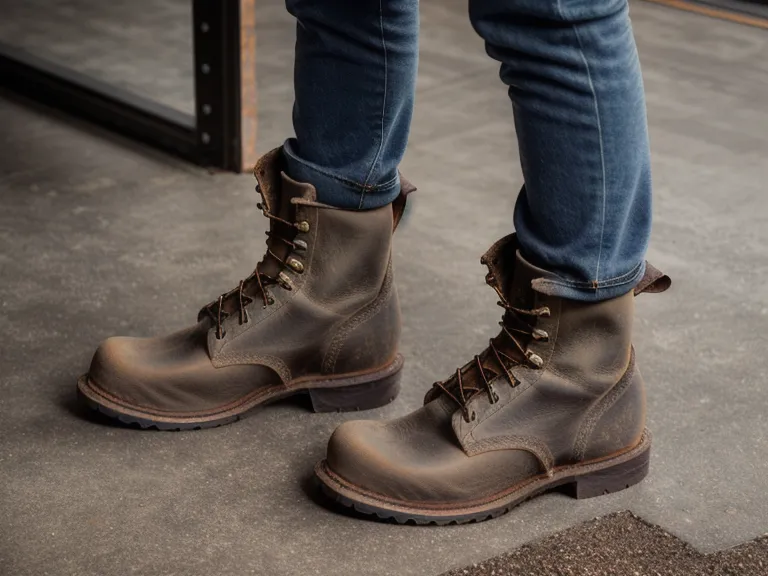
Mesh sneakers soak through on the first wet lawn, and my last pair quit that way with my mother's old Lab pulling at the leash. Since then the Thursday boot has been my answer for heritage footwear on weekends. The questions below are the ones guys at the distribution center keep asking me about it. Does it work for weekend maintenance chores and as dog-walking gear? Yes, with limits. It holds up better than anything foam-soled I've worn off the clock, it needs a thinner sock than your work boots do, and it is not a shift boot.
Quick note on who is talking. I'm a maintenance supervisor at a parts distribution center, twenty years into cycling through work boots, size 11 wide. Not a podiatrist, not a gear reviewer. If you click a boot link here and buy, the seller sends me a finder's fee, and the price you pay stays the same. That fee keeps the site running and pays for the next pair I wear into the ground.
Why Not Wear the Work Boots to the Hardware Store?
At the center I rotate between heavy Georgia Boots and my old reliable Rocky pairs. Both are made for oil, concrete, and loaded pallets. Wearing them for a hardware store run, or a couple of miles with the dog, is like driving a semi to pick up a gallon of milk. They sit heavy on the foot, and they come home wearing warehouse grime that my wife does not want on the rugs.
So I pulled the Georgia pairs out of my weekend rotation on purpose. The rule I use is simple. If the floor is clean and the errand is short, the shift boot stays at work.
What Heritage Footwear Needs for Weekend Maintenance
Three things decide it for me. The leather has to be full-grain, the kind that stops a briar from raking your ankle. The construction has to be a Goodyear welt, so a worn tread means a resole instead of a trip to the trash. And it has to look like a civilian boot, because it goes into stores and kitchens, not loading docks. That checklist is how I landed on the Thursday Boot Captains.
Will a Tight Toe Box Work on a Wide Foot?
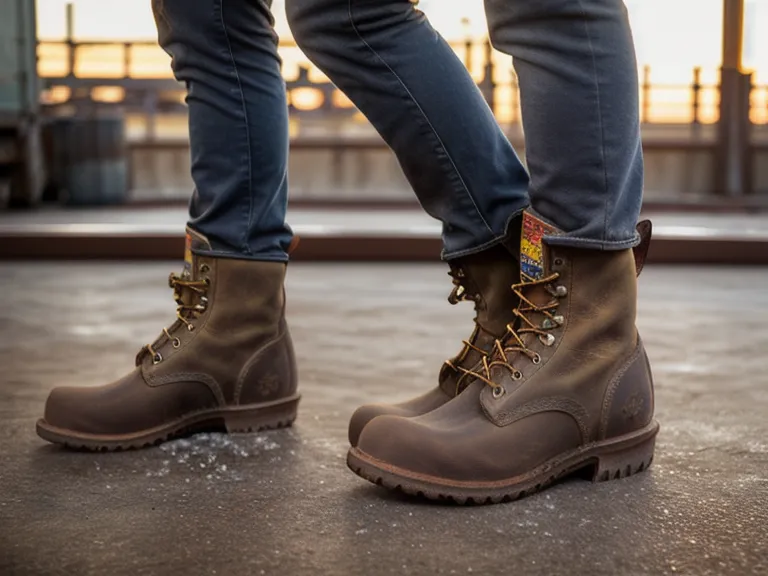
Only with the right sock. My Georgia pairs take thick, cushioned wool blends that could just about stand up on their own. I tried the same socks in the Captains and spent a while forcing a wide foot into a sleeker toe box before I admitted defeat. A thinner pair fixed it. The toe box runs tighter than most work-boot wearers expect, so here is my test: if you can't spread your toes with the sock you plan to wear, change the sock before you blame the boot.
Heritage boots also skip the foam cushioning that work boots carry, so the leather insole has to mold to your foot. That makes the break-in slower. Some snugness early on is the price of it. Arch pain, or anything that lingers, is a different matter, and that goes to a podiatrist, not to a boot blogger.
One thing that did not work for me: drugstore gel insoles shoved into an older pair that had already gone flat in the arch. The insole did not bring the arch back. My foot just rode higher and crowded the toe box, and the boot underneath was still done. A pair that has lost its arch needs replacing, not padding.
Clean the Welt After Salt and Slush
My daily route with the Lab is the Station Square riverfront, slush and road salt included, which is the stuff that ruins cheap leather. Once it settles in, a real Goodyear welt makes the boot feel like part of your leg instead of a bucket you clunk around in.
The care routine is short. Wipe the salt off, brush the welt, and put a light coat of conditioner on once the leather dries. The brush is the part that matters most, because it drags a gritty rasp along the welt channel and pulls out the packed dirt before it can sit there and chew the thread. In February of the second winter I ran a thumbnail along that stitching, braced for a lifted stretch, and found it still tight.
Do Heritage Soles Handle Deep Mud?
Not well. Many heritage boots come with fairly shallow studded rubber soles. They're great on a wet sidewalk, but in deep Pennsylvania mud they lack the bite of a proper lug sole, and you will slide more than you'd like.
A buddy who coaches his son's little league team in Peters Township asked me the same thing about game days. My answer to him: pavement and firm ground, yes. Churned-up ground, no. When the ground turns to soup, I wear Hunter Boots for the muck and switch back to leather once I'm on solid footing. Hunter is a wet-weather boot, not a job-site boot, but for this job it does what the leather can't. If you want the tread side of it, I wrote up how different soles handle different surfaces in lug sole vs wedge sole boots.
Weekend Boot, Not a Shift Boot
These will not replace my heavy gear for a long shift on concrete. The warehouse-floor notes in my Thursday Boots review explain why they fall short of industrial-grade. For chores, hardware store runs, and keeping the Lab happy, though, they are the best civilian pair I've owned in years.
The price is roughly a couple of decent takeout dinners and half a tank of gas. That is fair for a boot made to be resoled instead of tossed. Spring mud and summer heat left the leather with a nice patina and the shape intact, and my feet aren't complaining by the time we get back to the porch.
If your off-duty shoes keep dying on you, a pair of Thursday Boots is worth a look. Buy thinner socks, give them time to learn the shape of your foot, and treat any sharp or lasting foot pain as a question for a podiatrist.