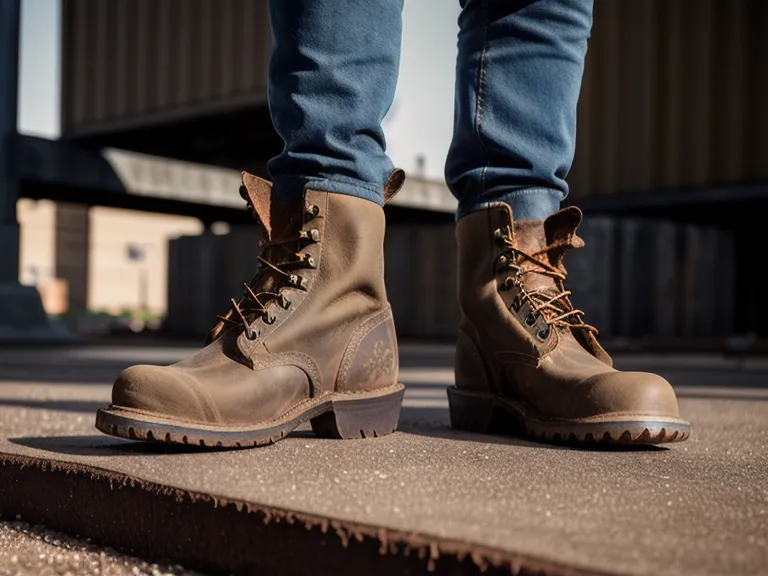
How many pairs of factory insoles does a guy have to rip out and toss before he stops blaming the boot? I've lost count somewhere north of thirty, spread across roughly twenty years standing shifts at a parts distribution center outside Pittsburgh, most of it on a six-inch industrial concrete slab that doesn't give an inch for the racks and forklifts it's built to hold up. Concrete floor fatigue isn't one dramatic injury; it's a low ache that builds hour by hour and shows up as a stiff back by the time I'm walking to the truck. The boot gets all the credit or all the blame, but the arch support riding inside it is doing the real work, and most of what ships from the factory folds flat before month two.
The first sign came from the smell test. Pull a soaked factory insole out after a ten-hour shift and you get that heavy mix of tanned leather and machine grease, and underneath it there's usually a sheet of something closer to cardboard than foam. Mine had gone flat within a few months, not because the boots themselves were junk, but because whatever padding ships in the box is built for five minutes on store carpet, not a full shift on a floor with zero give.
The Squishy Insole Trap Most Guys Fall Into
Most of the guys on my crew make the same mistake I made back in my twenties — they grab the thickest, squishiest gel insert on the rack and figure more cushion means more comfort. That theory falls apart by the second week. The softer the insert, the worse my feet burned by quitting time, and I've never had a clean explanation for why — just enough shifts on record to trust the pattern. Terri, our second-shift dock supervisor, thinks I'm ridiculous for spending this much thought on foam. She's skeptical of anything that costs more than a week of takeout lunches, and when I told her I was running four different insoles side by side, she just shook her head and said my feet weren't that special.
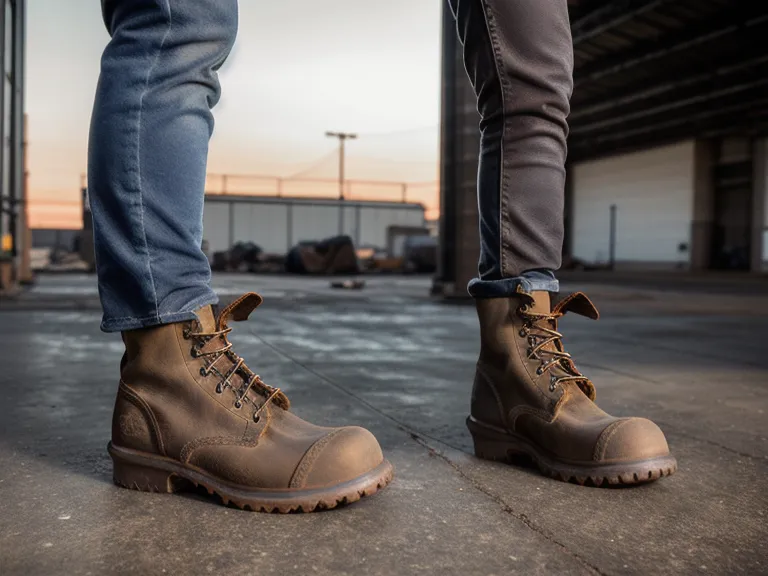
I'm not a podiatrist, and if your feet hurt past what a boot or insole swap can fix, that's a conversation for an actual foot doctor, not a guy who spends his day chasing conveyor belt problems. What I can talk about is basic work boot maintenance — what actually held up over real shifts and what quit early. By the time I was done comparing, I'd run four different setups — high-rebound foam, a rigid arch cradle, a semi-rigid orthotic, and a firm closed-cell insert — across enough weeks to see which ones survived past the honeymoon stretch.
Concrete Doesn't Forgive Bad Arch Support
Concrete doesn't flex, not even a little, and every step lands the same way it started with nothing underneath to soften it before it reaches your heel. Stock insoles are cheap open-cell foam, full of tiny air pockets that feel fine on day one and pack down flat well before the season's over. Once that foam's crushed, your arch is on its own for the rest of the shift. A lot of the plantar fasciitis complaints I hear about on the floor start right around there, though how that actually develops is a question for a podiatrist, not for me.
During a brutal double shift in the middle of a winter inventory count, I found out soft is the enemy fast. I had a pair of high-rebound foam inserts in — nothing pricey, more or less the cost of a takeout dinner — and they felt fine for the first four hours. By hour ten my feet felt like they were swimming, no stability left at all. I swapped to a rigid arch cradle the next shift, hard plastic shell on the bottom, and even though it felt harsh at first, that sharp electric zing in my heel when I stepped out of the truck after the drive home finally started easing off.
Not everything gets fixed by swapping the insole, though. Somewhere around that same stretch I spent a Saturday soaking the cracking vamp of an old pair in mink oil, hoping it would stop the leather from splitting along the toe box. Waste of a good afternoon. The leather kept splitting regardless of how much oil I worked in, and no insole on earth was going to matter once the upper gave out completely. There's a whole separate argument about which uppers hold up to that kind of daily flexing and which don't, but that's not the fight I'm picking today.
Testing Rigid Support Across a Full Shift
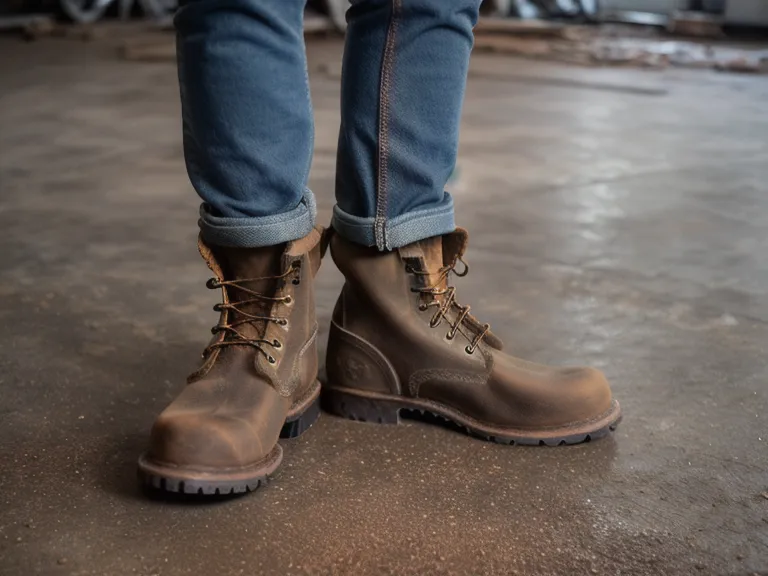
A reader out in western Ohio, a semi-truck mechanic named Gus Hornak who works pit-side, emailed a while back with photos of his own worn-out insoles — notes scribbled right on the print, asking which support actually lasted. His question is honestly what pushed me to get organized about this instead of just switching pairs whenever my feet started complaining. Some mornings before a shift I'd drag the sole across the dock floor just to feel how much tread was left, because there's no point babying an insole inside a boot that's already slick underneath.
The insoles that felt best first thing in the morning were usually the ones that had me limping by the time I got out to South Park in Allegheny County to walk my mother's old Lab on Saturday. The ones that felt almost too aggressive under the arch — like there was a golf ball wedged under my foot — were the ones that kept me standing straight through a full ten-hour shift without complaint. My boots still meet ASTM F2413-18 safety ratings no matter which insole is riding inside them, and that's less a safety question than one of industrial ergonomics — whether the whole setup keeps a guy upright for ten hours without wrecking his back by the time he clocks out.
A wet morning out in the yard is usually where cheap foam gives up first — it turns soggy and starts sliding around inside the boot within the hour. Swapping in a firmer, semi-rigid insert for that kind of shift held its shape even after getting soaked clean through. That's the real difference between an insole built for comfort and one that survives a full shift outdoors instead of just a dry one.
If your current boots aren't cutting it anymore, it's worth figuring out when to replace your work boots after months of heavy daily wear before assuming a new insole will fix everything. Usually, if the leather's still solid and the welt hasn't cracked, a good insert can buy a tired pair another season for not much more than a couple of fast-food runs.
What's the Right Balance Between Cushion and Backbone?
You're not looking for the thickest pad on the rack. You want something that cradles the heel and keeps the arch from collapsing under a heavy lift, without going so rigid that you feel every pebble through the sole. Too soft and your foot works overtime just to stay balanced. Too hard and every rough patch on the floor turns into a jab in the heel.
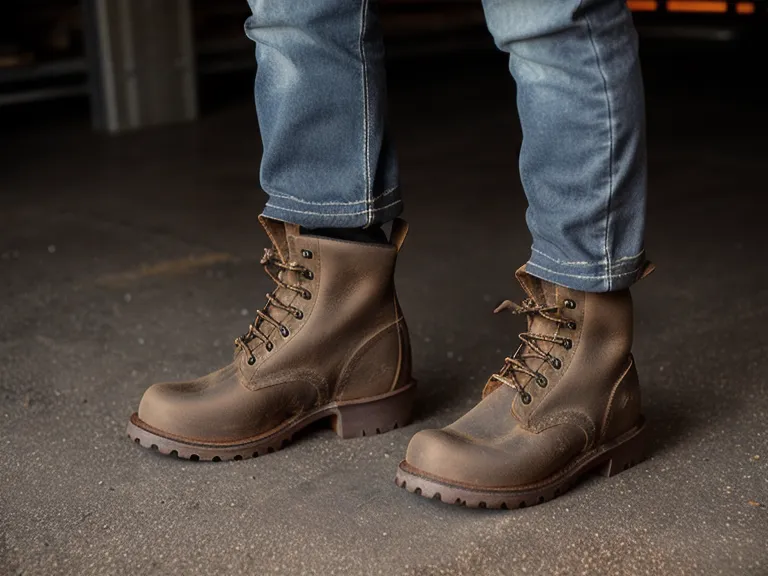
The setups that actually held up were a rigid base topped with a thin layer of closed-cell foam — the kind that doesn't compress fast and doesn't turn into a sponge for sweat and warehouse funk the way open-cell stuff does. Around week eight of running that comparison, I stepped into standing water at the edge of the loading bay one November morning and didn't feel the usual bite of cold creep up through the sole. That told me more than any of the mornings I'd spent swapping pairs — the rigid-base, closed-cell combination was actually doing its job instead of just feeling different for a few days.
Don't get distracted by massaging-gel gimmicks or fancy marketing copy when you're shopping for your next pair of inserts. Flip it over and press on the underside — if you can fold the whole thing in half with one hand, it's not going to hold up two hundred-some pounds of man plus whatever gear you're carrying that shift. The boot gets all the attention, but the strip of material between your foot and the sole is what actually decides whether you're still standing straight by the time the shift ends. Check that part first, before you blame the boots for something the insole was doing all along.