When "Heat-Resistant" Boots Actually Melt
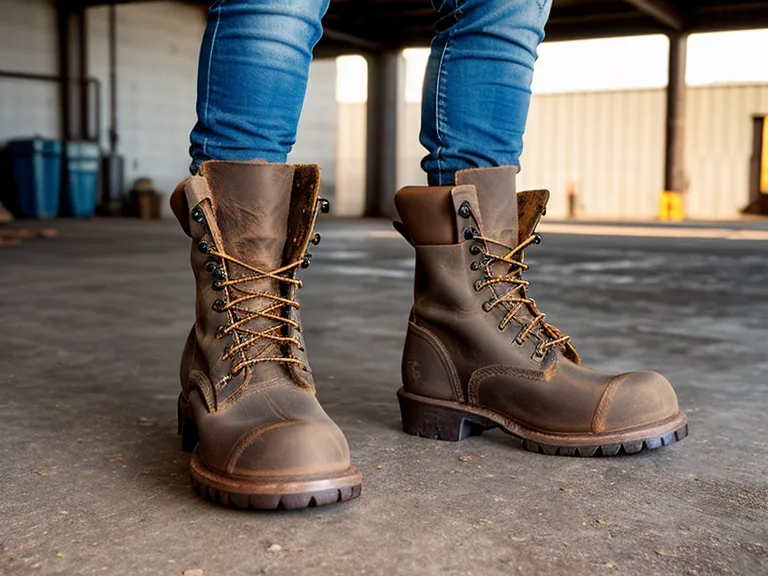
Most workers discover the hard way how many minutes their thick rubber sole can actually take when standing on a hot metal grate, usually on a mezzanine over a sorting line where grease and solvent have baked into the floor plates until the whole section works like a griddle. I answered mine on a dock floor, standing in a pair of wholesaler steel-toes I'd assumed were heat-resistant work boots because the box said so. The smell hit first, that faint burnt-rubber note you'd normally blame on a slipping belt. Then came the drag under my right heel, a tacky catch every time I shifted weight off the hot plate. By the time I stepped clear, a chunk of outsole had stayed behind on the floor.
Most maintenance guys assume any boot with a chunky outsole counts as hot-surface protection, figuring more rubber means more distance between a foot and a hot floor. That assumption is backwards, and it's the one piece of work-safety gear misinformation that costs the most feet by August. What actually determines heat-resistant performance is the outsole compound and how it behaves once it heats up, not how many millimeters of tread sit between a boot and the plate. A box that says "oil and heat resistant" rarely says anything about which compound is doing that resisting, and that gap in the label is exactly where boot-maintenance budgets go to die.
The HRO Rating Tests for One Specific Thing
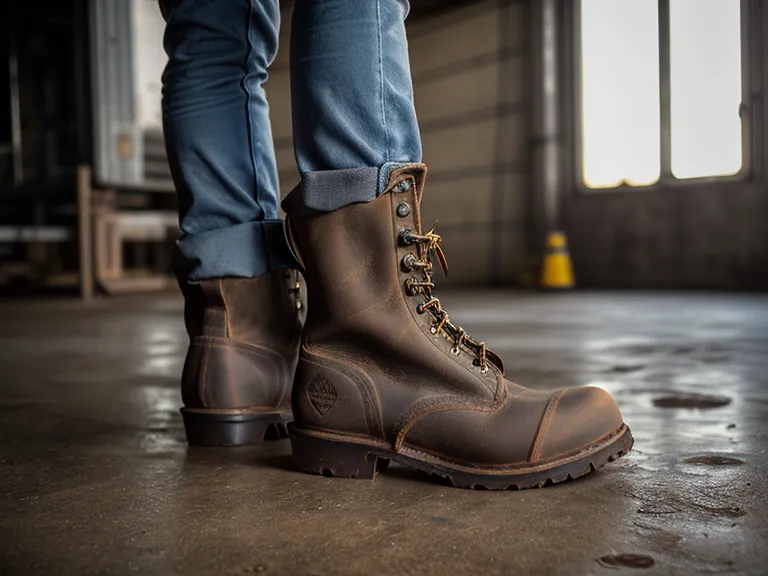
Buried in the spec sheet of a real pair of industrial-footwear boots, you'll usually find an HRO rating, and it's worth knowing what that letter combination is actually testing. An HRO-rated outsole has been run against a surface at 300 degrees Celsius, about 572 Fahrenheit, and held there for sixty seconds without melting through. Most standard work boots only carry the ASTM F2413-18 rating, which covers impact and compression at the toe, not what happens when the sole sits on a hot grate for most of a ten-hour shift. Those are two different tests measuring two different kinds of abuse, and a boot can pass one while failing the other completely.
The compound underneath the rating matters more than the rating itself. Polyurethane and thermo-polyurethane soles are what most warehouse-store boots ship with, and they're light and fine on cold concrete, but they have a low melting point. Once they heat up, they go soft, pick up every metal shaving and bit of grit on the floor, and turn the sole into sandpaper that chews up the floor coating and the boot together. Nitrile rubber behaves differently. It stays dense under heat instead of glazing over, so the tread still looks like tread deep into a hot summer instead of turning into a smooth, shiny sheet of plastic by the second month.
Terri Pruszkowski runs the dock on second shift at the same facility, and she's usually the one who texts me first when a section of floor turns into a problem for footwear, different crew, same complaint every summer. If your floors are also slick with lubricant on top of being hot, it's worth a look at chemical resistant work boots for parts distribution center workers, because heat and chemicals together will take a sole apart faster than either one on its own. I've watched a sole delaminate because the heat softened the adhesive first and the chemicals finished the job on what was left.
Why a Thick Sole Works Against You on a Hot Floor
Stop buying the thickest rubber sole you can find for a high-heat floor. It feels like the safe choice, since more material should mean more distance between a foot and a hot surface, but rubber is a very good insulator, and that cuts both ways. A thick sole takes longer to heat up, sure, but once it's absorbed that much thermal energy it holds onto it, and all that stored heat has nowhere to go but up into the boot.
A high-density, slightly thinner nitrile sole runs firmer underfoot, but it sheds heat fast once you step off the hot section, instead of carrying it around with you for the next twenty minutes. I can usually tell within the first hour whether a sole is going to hold up for a full shift, but the real test comes around hour seven, standing on that same stretch of concrete, waiting for that familiar throb to start climbing up through my heels. Some days, with the right compound underfoot, it just doesn't show up. That's the whole difference between a boot that manages heat and one that just stores it.
The Problem With Leather Through a Full Thermal Cycle
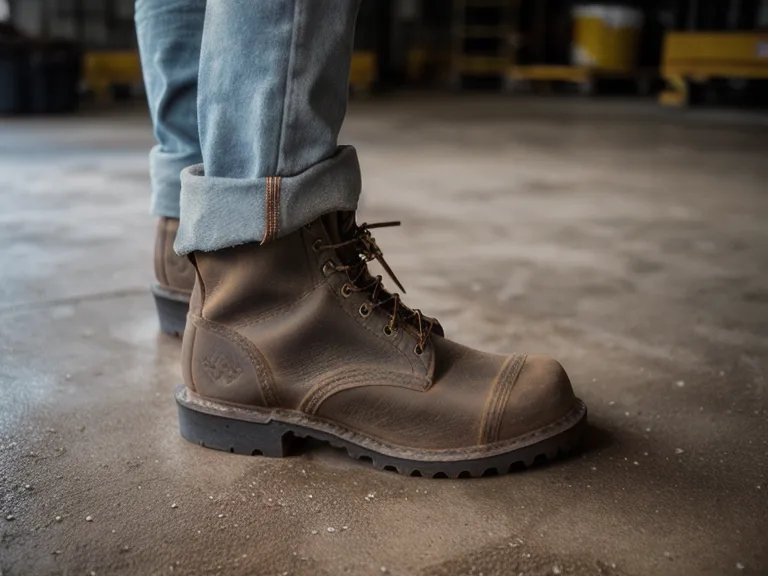
Heat on a maintenance floor doesn't only come up through the sole. It radiates off motors and sorting equipment too, and the upper takes that hit directly, then cools off again every time a route takes you back through the breakroom. That constant swing, hot then cool then hot again, pulls moisture out of leather faster than almost anything else on a shift. By the back half of a long summer, cheap uppers that never got any attention start cracking right at the flex point near the toes, like someone took a blade to them.
Oil-tanned leather handles that swing a lot better than the stiff, cardboard-feeling stuff some brands ship straight out of the box. I used to think I could tame a stiff pair by wearing them around the house for a week before a shift, and all that did was break in my living room floor, not the hide. On a hot surface, a boot that hasn't settled into the shape of your foot yet just adds extra friction points for the heat to work on. Keeping the leather conditioned does more real work than any break-in ritual, and I've found that learning how to condition leather work boots pays off more than most guys expect, even when it feels like one more chore at the end of a shift.
None of this makes me a podiatrist, and I won't pretend otherwise. But when leather loses its structure, a foot starts sliding around inside the boot, and that's usually how a guy ends up with blisters that won't quit by hour seven. If that's happening to you regularly, or your arches are giving out, that's a conversation for a podiatrist or a proper boot fitter, not another tub of insoles.
Check the Welt Before You Check the Price Tag
What holds the sole to the upper matters more than most guys think, and it's where plenty of so-called heat-resistant boots quietly fail. Cement construction, which is really just glue, doesn't stand a chance against a steam line or a glowing floor plate, because heat softens adhesive before it softens much else. Welt-stitched construction handles that same stress better, though how a welt actually gets built is a different conversation for a different article. I've seen a sole peel back like a banana skin on a guy who spent a shift standing near a steam line, and the glue gave out before the leather did.
I've watched guys try fashion-forward options like Docs on a hot maintenance floor, and my notes on Dr. Martens steel toe durability for heavy industrial work cover why that usually ends in a trip back to the boot aisle by month three. They're built for a different kind of wear entirely. Before I write off a pair for good, I'll drag the sole across bare concrete and listen to how much lug is left: a sole that's glazed and worn rasps different than a fresh one, and you can hear that difference before you can see it.
Mesh, Marketing, and What Actually Holds Up
Don't let a spec sheet talk you into "breathable mesh" as a fix for hot surfaces, either. On a maintenance floor, mesh is just an opening for sparks and hydraulic fluid to reach skin, not a cooling feature worth trading for protection. The combination that actually holds up is a nitrile, HRO-rated outsole, oil-tanned leather that gets conditioned instead of ignored, and a stitched welt instead of a bead of glue. That's the whole rule, and it doesn't change by season or by brand name on the box.
When the boots are doing their job, the proof shows up after the shift ends, not during it. I still have enough left some evenings to walk my mother's dog along the river down in the Strip District without my arches complaining the whole way, and that's a better verdict than anything printed on a box tag. If you remember nothing else, remember this: check the compound before you check the thickness, and don't let a thick slab of rubber convince you it's doing a job that only the right material can actually do.