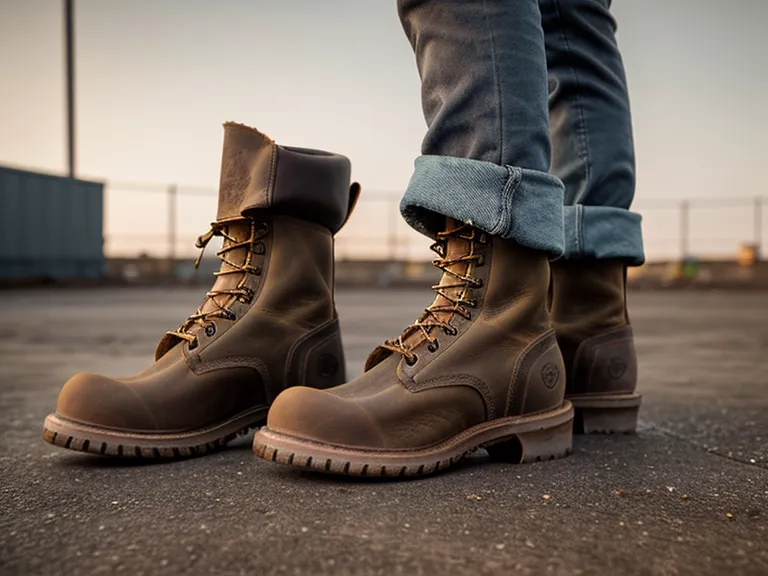
The heel on a Western pull-on boot seats with a soft pop and no lace ever touches it. That one detail is why I started looking past the usual lace-up work boots for a maintenance supervisor's schedule, where half the day is on the shop floor and the other half is standing in a meeting with the plant manager. Durango Boots turned out to be the Western work boot that could do both without looking like a costume, and the pull-on comfort is what actually kept me wearing them past the first week.
None of what follows comes from a boot fitter or a podiatrist. My paycheck depends on my feet lasting a full shift, which is the only reason I've cycled through as many boots as I have, and the comparisons here are built on wear, not credentials. If your feet are dealing with something more serious than a long day on concrete, a licensed podiatrist is the right call, not a maintenance guy with an opinion.
Two Boots, Two Different Days
A parts distribution center runs oily floors, dropped pallet jacks, and the occasional coolant spill, and none of that stops just because I get pulled into the office for a schedule meeting. Every boot I wear on the floor needs to meet the ASTM F2413 protective footwear standard, full stop, and the Western silhouette is the only style I've found that clears that bar without making me look like I walked off a construction site when I'm sitting across from the plant manager an hour later.
Why the Western Pull-On Wins on the Shop Floor
Durango Boots is where that trade-off actually resolved itself for me. The pull-on design means there's no lace to catch on a pallet strap and no knot to fumble with gloves on, and the rubber-based sole is a different animal from the leather outsoles most Western boots still ship with. Standard leather soles turn into ice skates the second they hit a wet loading dock or a patch of hydraulic fluid, and I've watched guys learn that the hard way.
The Durango Rebel Work Boots line is the specific one I ended up in, and the shaft still reads as a classic cowboy boot from the ankle up. Underneath, the sole is all business, gripping concrete the way a lace-up work boot should, and that mismatch between the look and the traction is really the whole point of a Western boot built for a maintenance role instead of a rodeo.
The Ladder Exposes the Trade-Off
Not every job matches the Western profile though. Thursday Boots stay in my rotation for weekend dinners and casual office days because they've got that same heritage leather look without the safety-toe bulk, but I keep them away from anything resembling a flooded lot. Standing water is a bad match for a boot built for pavement and polish instead of drainage pipes, so weekend footwear and shift footwear stay two separate categories for me.
My full notes on why are in the Thursday Boot Company Review, but the short version is that a welted leather boot without an aggressive tread is a Saturday boot, not a Monday-through-Friday one. Rockport ended up on the shelf for good after a similar experiment, a comfort-first line I'd picked up hoping it could pull double duty in the office. The sole gave up traction the one time I got pulled onto the floor without warning, and I haven't reached for them since.
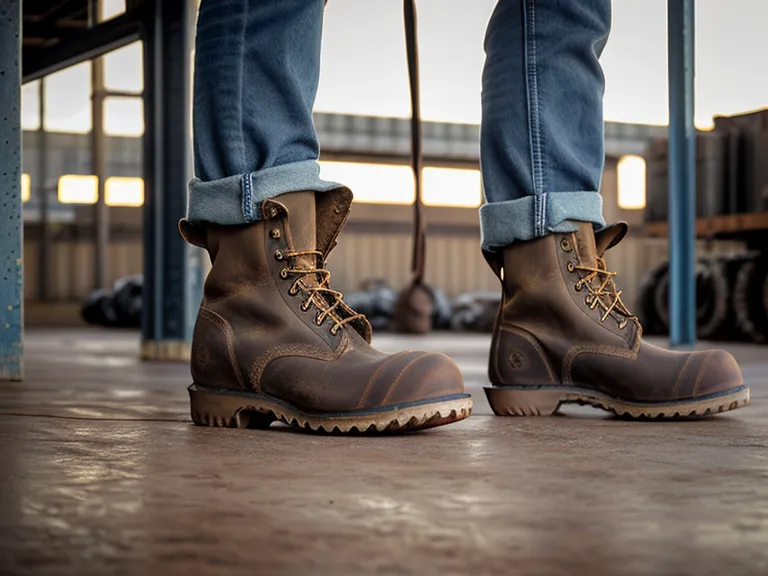
Georgia Boots are what I reach for when I know a ladder is involved. A rooftop HVAC call is where the Western profile actually let me down. The smooth arch on a Western heel doesn't lock onto a rung the way a traditional 90-degree heel does, and I felt it slip once climbing to check a compressor. Georgia's heavier lace-up construction trades some of that pull-on ease for a sole pattern built more like a traditional wedge or lug boot, and either style still needs to carry an EH rating and meet the same footwear safety standard before it goes near live electrical work.
What About the Fit Underneath?
Fit matters more than the silhouette, and I learned that the expensive way on a previous pair. Sizing up half a size for extra room in the toe box seemed smart at the time. Instead it gave my heel enough room to slide, which blistered the back of my ankle before a shift was even half over. A wider toe box and a snug heel are two different problems, and solving one by making the whole boot bigger just trades one kind of pain for another.
Getting the arch right is its own separate question. I'd point you toward the Best Work Boots for Plantar Fasciitis piece if that's what's actually bothering you, since a good footbed matters more than the leather sitting on top of it. A Western pull-on also needed less time on my feet before it stopped feeling foreign, somewhere short of what a stiff lace-up usually demands.
The four aisles I walk every Monday during the perimeter check are where a hot spot would show up first if one was coming, and nothing's rubbed yet. My dog walk down the North Shore Trail is the other place I'd catch it early. A buddy of mine runs weekend 5Ks with his wife along the Three Rivers Heritage Trail and gives me grief for needing a boot built like a tank just to walk a dog, when his running shoes could handle the same ground twice over. Different feet, different job, different boot.
Choosing Between Them
Durability is where Western boots either prove themselves or don't. The Goodyear welt stitching on mine is still tight after plenty of wet-weather months, no separation starting at the toe, and the leather upper has picked up scuffs without any deep splits opening, which says more about the hide than anything I did to it. Salt is what actually shortens a boot's life fastest, so I wipe it down and work leather conditioner into the welt seam on a regular schedule. That conditioner carries a sharp, ammonia-edged sting as it soaks into the stitching, enough that I keep a window cracked while it dries.
Cold is a different failure mode, and the Western pull-ons don't pretend to solve it. Anyone working a cold warehouse or loading dock through the winter should look at Insulated Rocky Boots instead, because insulation and a Western dress boot don't really occupy the same category. Waterproofing on the Durango and Georgia lines is treated leather doing the work, not a membrane, and that distinction matters if you're standing in slush for hours instead of walking through a quick rain.
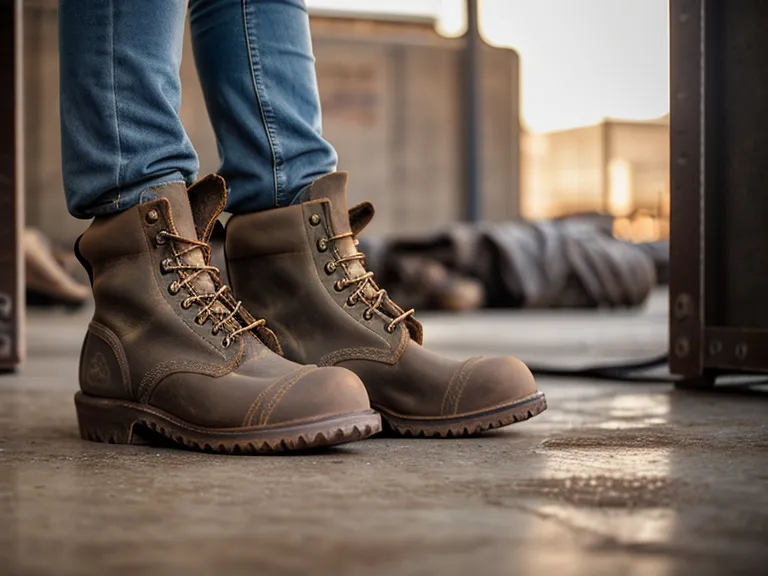
Choose the Western pull-on when the day is split between the floor and the front office and you want one boot that covers both without changing at lunch. Choose the heavier lace-up when ladders, standing water, or serious cold are a regular part of the job, because that's exactly where the Western profile gives something up. For my own schedule, the trade cost about a half-tank of diesel and a couple of takeout dinners more than the boots from the warehouse store, and they've already outlasted two pairs of that cheap stuff. If that split sounds like your week too, the Durango Western Work Boots are worth trying before you grab another pair off the bottom shelf.