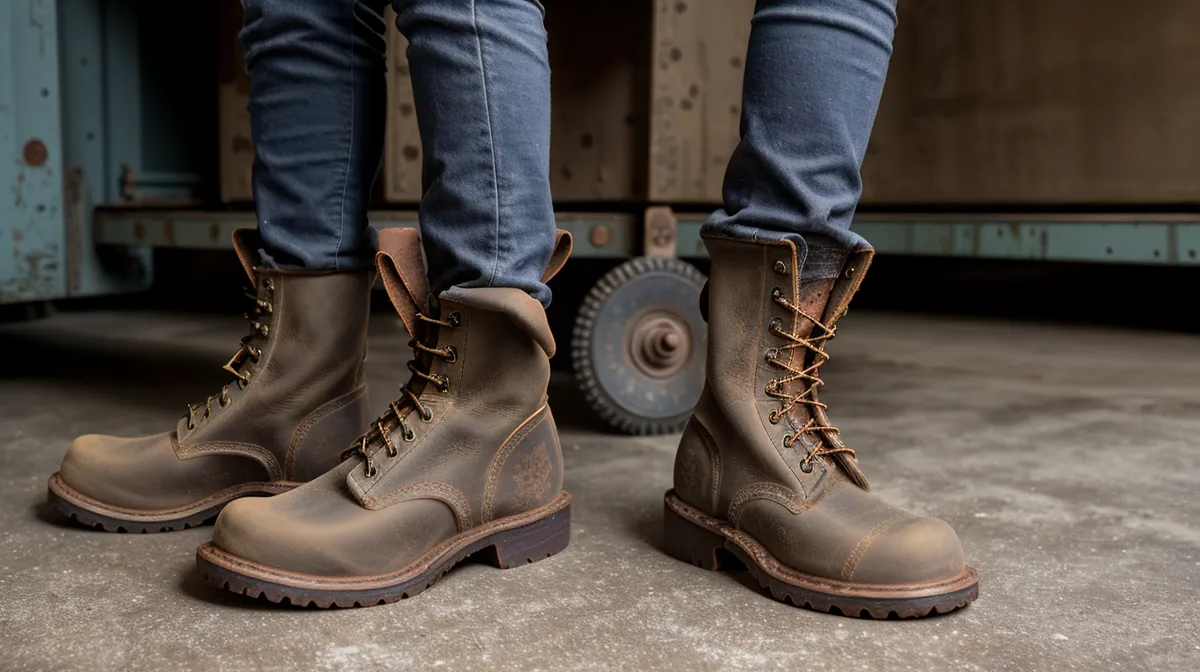
How much floor feel are you willing to give up for a sole that's supposed to keep a jolt of stray current out of your boot? That's the real trade nobody explains when they slap an electrical hazard rating on a work boot box. Facility maintenance puts you within arm's reach of live panels, pumps, and breakers often enough that the question stops being theoretical.
The short version: if you're rarely within reach of a live panel, a boot with EH backup and a lighter build is plenty. If resetting breakers or working near primary distribution is part of your week, get the heavier-soled, fully rated pair and accept the tradeoff in floor feel. I'm not a podiatrist or a certified safety inspector, just a supervisor in a size eleven wide who's tired of boots that quit before he does. If your feet are giving you real medical trouble, that's a conversation for a professional. This is just about which pairs actually hold up on a facility floor.
What an Electrical Hazard Rating Actually Buys You on the Shop Floor
You'll see ASTM International come up a lot once you start reading boot tags, and the electrical hazard rating is the one that matters most on my floor. In plain terms, an EH boot's sole and heel have been built and tested to add a layer of protection against stray electrical current. It's secondary protection, not a substitute for de-energizing whatever you're working on, but it's peace of mind when you're resetting a tripped pump.
There's a tradeoff nobody puts on the box. A heavy-duty EH boot flattens out your feel for the floor. The thicker sole and reduced sense of what's under your foot are the trade-off for that added layer of protection. In my old Rockports I could feel a loose bolt under my heel before I stepped on it wrong. How much that extra weight and stiffness costs you by hour seven is its own separate question from EH safety, and it's the reason I leaned on lighter Rockports for years before facility work pushed me into something heavier.
Toe box width is its own rabbit hole I won't get into here, but if you're built wide like me, it matters just as much as the EH stamp on the tongue. Arch support holding up over months of concrete is a separate durability question from electrical protection too, and worth its own look if standing all shift is what wrecks you by the end of the week. An EH rating and a steel or composite toe rating live on the same tag, but they're guarding against two completely different things. How the upper leather holds up under repeated wetting is yet another durability question, separate from anything happening down in the sole.
Rocky Boots and Georgia Boot: The Two Heavy Hitters
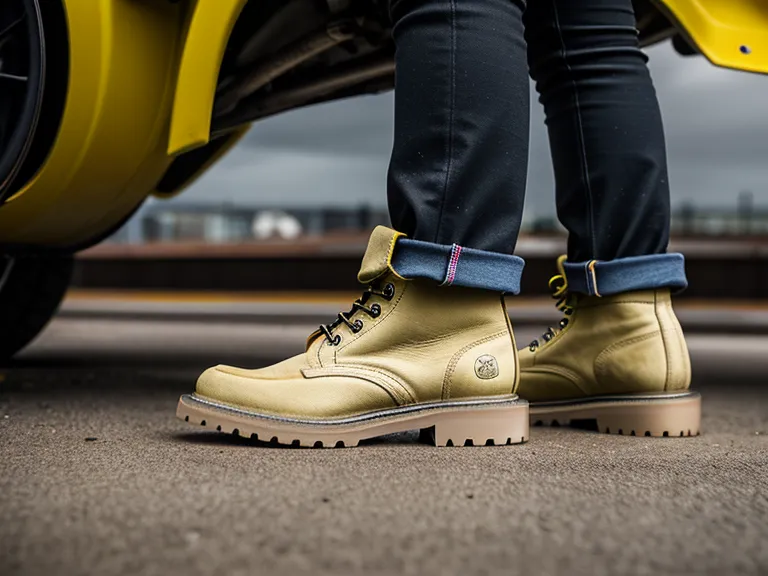
The Rocky Boots flagship line is what's on my feet more than anything else these days. They use a Goodyear welt that keeps holding when the floor's covered in salt and slush, and how long a welt lasts before it needs resoling is really a separate question from what's stamped on the EH tag. That's worth its own breakdown, not this one. Making the Monday walk down all four aisles of the parts floor without a single hot spot forming on my heel tells me more about a boot's construction than any spec sheet does.
Contrast that with Georgia Boot. I wore a pair through outdoor substation repairs one sticky July afternoon and they didn't flinch. Whether you want a wedge sole or a traditional lug tread under a boot like that is more a comfort call than a safety one, and it's a longer conversation than fits here. Rocky is still my pick for long stretches on indoor concrete. I broke down that whole stretch of wear, including how long the break-in actually took, in Six Months on the Warehouse Floor: My Honest Take on Rocky Boots. Georgia Boot feels more industrial once you're kicking valves or climbing steel ladders. Heavier on the foot, no argument there, but nothing about them says they're going to give up after one wet winter.
Why Your Weekend Boots Don't Belong Near a Panel
I love a pair of Thursday Boots for walking my mother's old Lab out along North Shore Trail on a weekend morning. The leather's better than anything you'll find at a big-box store. DeShawn, one of our forklift operators, always asks me if a boot looks good before he asks if it'll hold up, which is a fair question for a pair like this. It's just not the question that matters near a breaker panel. Thursdays don't carry industrial-grade EH protection, and that gap makes them a liability if you're standing near primary distribution. I got into the daily-wear side of that pair separately in Thursday Boot Company Review: Are They Tough Enough for Maintenance?. Good boot, wrong shift.
Rubber and Leather for the Wet, Sloppy Shifts
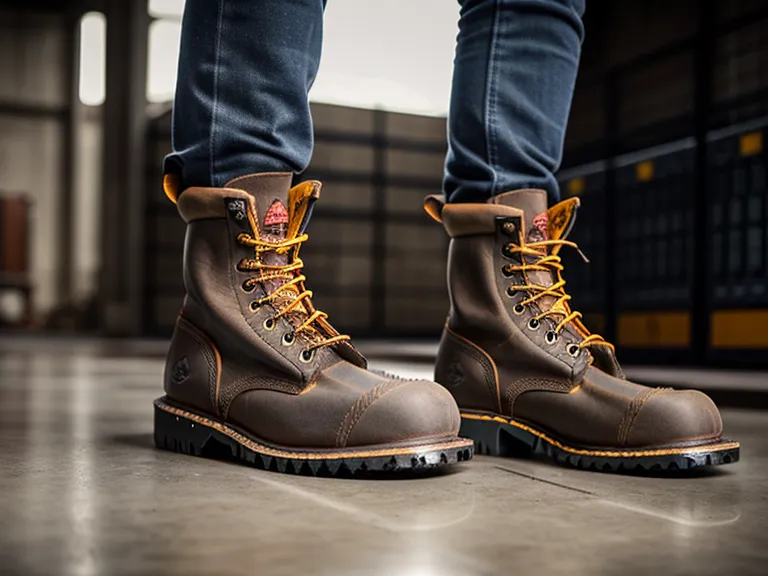
When the flooding gets bad (a failed sump pump, a burst line, the kind of morning the floor turns into a swamp before the coffee's done), leather isn't always the right call. I keep a pair of Hunter Boots in my locker for exactly that. The company's been making rubber boots since 1856, and it shows. They're not EH rated for the plant floor, so they stay away from the panels, but for clearing a flooded yard or a muddy loading dock, nothing else in my locker keeps me as dry. Whether you go with a waterproof membrane or well-treated leather for the rest of your rotation is its own debate, and it matters more the wetter your yard actually gets. Years back I used to stuff crumpled newspaper into a soaked boot overnight, hoping the lining would dry out before the next shift. It never worked; the toe stayed damp and the paper turned to mush by morning. These days I just keep a dry pair ready instead.
If you like a little more height, Durango Boots pull off a Western look that still holds up on a maintenance floor. Their Rebel line works well for supervisors splitting the day between the office and the floor, and they're noticeably lighter than the Georgia Boots. Heel height and shank stiffness change how a boot feels standing at a bench versus walking a concrete aisle, and that's a longer conversation than a Western silhouette really allows for here. The pull-tabs can wear unevenly after months of daily use, which is the one real knock against them. Getting road salt off the leather before it dries into the seams is its own maintenance habit, separate from EH protection but just as important once winter sets in. The pairs I'm not wearing that week sit shelved in the garage, lined up in rotation order, with a stiff brush mounted over the sink out there just for scraping salt crust off before anything goes back on the shelf. My buddy Curt Walczak, who works the same floor, will grill you for ten minutes about grams of insulation if you let him. He runs cold and treats insulation rating like a personal crusade. That's a different question than EH safety, and the short version is: match the insulation to how much you're actually moving, not to how cold the building feels when you clock in.
So Which Boot Should Actually Go On Your Feet?
By the time the summer heat really sets in, cheap boots have usually cooked your feet or the glue's given up. A legitimate EH rating paired with a real welt is worth paying for if your paycheck depends on your feet lasting ten hours on concrete. My own rule by now: if you're within reach of live panels more than a couple times a week, buy the heavier EH-rated pair and accept the lost floor feel. That trade beats a trip to the ER every time. If panels aren't part of your regular routine, a lighter boot with EH backup and a shorter break-in period is the more comfortable call. Between the two heavy hitters here, Rocky's flagship gives the better all-around balance of that protection and enough comfort to make it to hour seven without wanting to quit.
Grab a pair of Rocky Boots and save your feet this season.
| Product | Rating | |
|---|---|---|
| Rocky Boots Top Pick | 9.2 | Read More → |
| Georgia Boot | 8.8 | Read More → |
| Durango Boots | 8.4 | Read More → |
| Thursday Boot | 8.1 | Read More → |
| Hunter Boots | 7.9 | Read More → |
Rocky Boots
Pros
- ● Legendary Goodyear welt durability on concrete
- ● Reliable 18,000V EH protection for facility work
- ● Wide width options actually fit my 11 wide feet
- ● Consistent break-in period that doesn't kill your heels
Cons
- − Noticeably heavier than casual work shoes
- − Thick EH sole reduces tactile floor feel