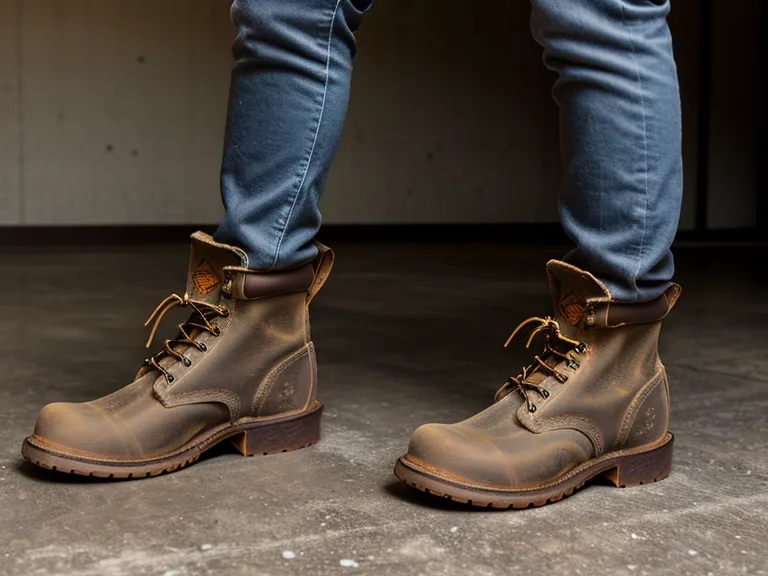
A worn-out footbed presses flat under a thumb and stays that way. One that's still doing its job springs back, even at the end of a double shift on concrete. That single difference says more about a boot's construction than anything printed on the box or promised on the site you bought it from. Some of the boot links on this page are affiliate links — if you buy through one, I get a small commission at no extra cost to you, and it's the only reason this site keeps running. What follows is a straight side-by-side: the firm, structured boots still doing their job at the end of a long maintenance shift against the soft-cushioned kind that collapse by lunch, built from what's actually held up on a distribution center floor where standing all day on concrete is the whole job and your feet either hold up or they don't.
Standing All Day on Concrete: Firm Footbeds Against Soft Cushioning
Most guys buying their first real pair want that soft, squishy, sneaker-like feel right out of the box. That's backwards for this kind of work. A high-density, firm footbed holds its shape past the first few hours, while a pillowy one compresses flat and stays that way, and once it's flat you're basically standing on cardboard for the rest of the shift. Boots built on a genuine welt keep that structure longer than anything cemented together — my buddy Lou, a semi-retired plumber who still does light commercial maintenance work, can call out a boot's construction method from across a garage just by the shape of the welt, which is a party trick I've never managed to pick up myself. I won't pretend to explain the stitching the way he could; what matters here is what it does for your legs by the end of a shift, not how it's sewn together.
For a while I tried to dodge the construction question entirely by rotating two cheap pairs, figuring the rest time between wears would let the padding bounce back and double how long each one lasted. It didn't work that way. Both pairs packed down on the same calendar regardless of how often I swapped them, because the problem was never wear time — it was that neither pair had anything underneath the cushioning to hold it up once the foam gave out for good.
The boots that actually earn a second season do the opposite: they keep some give without losing their shape. I remember finishing a long, ugly stretch once, dropping into the truck seat, and pressing a thumb into the insole out of habit, expecting the usual dead, flat give — instead it pushed back, and that was the first time I actually trusted a boot to still be doing its job that late in a shift. That kind of footbed usually sits inside a Goodyear welt build, which is its own separate rabbit hole from the insole itself, but the two tend to travel together on the lines that last. None of that matters if the boot is squeezing your toes to get there, either — if you've got a wide foot and keep ending up in boots that look right on paper but pinch by hour three, it's worth working through a guide to the best fitting wide width work boots before you even get to the footbed question.
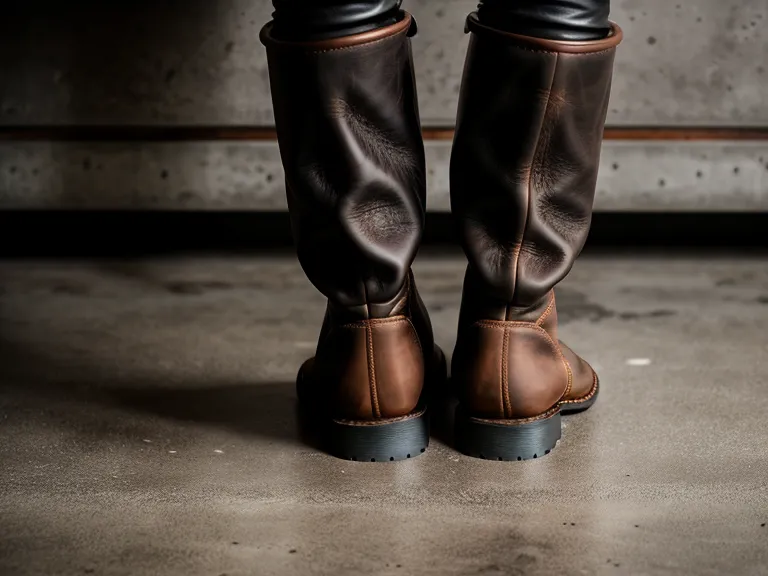
Rocky Boots and Thursday Boots on the Same Twelve Miles
Thursday Boots is the one I see guys reach for when they want something that looks right for a facility meeting and still passes as a work boot. They're genuinely well made for what they are, with welted construction at a price point most traditional welted brands don't touch, and a clean enough look for office days. But the toe box runs tighter than most warehouse feet expect, and the brand itself isn't really built around serious industrial environments, heritage looks or not. Fine for a desk-adjacent role or a weekend. Not what I'd lace up before a twelve-hour repair shift on concrete.
Rocky Boots is where I land when the day actually matters. Their 6-inch lines meet the ASTM F2413 safety-toe standard, which is its own can of worms I won't crack open here — there's a whole separate breakdown elsewhere on what that rating actually covers — but having it isn't optional in my building. Sizing runs a touch large on most of their models, and the break-in period takes longer than the newer DTC brands that have shown up in the last few years, so don't expect them to feel like Thursday's boots on day one. They're not cheap either — closer to a half tank of gas and a takeout dinner than a drugstore clearance rack — but they've earned that out of my paycheck every time. Give them the break-in time anyway. If you're not sure where you land in their sizing, there's a guide to finding the right Rocky Boots size for maintenance work worth reading before you order, since guessing on a wide foot gets expensive fast once you add up returns.
Why Georgia Boots Earn Their Weight and Hunter Boots Don't
For the days I know I'll be in coolant or outdoor mud, Georgia Boots come out of the garage rotation instead. They're heavier and built utilitarian rather than handsome, but they're engineered for oil and slip resistance with puncture protection built into the sole, and most of the line has waterproof options that hold up without relying on a sprayed-on fix. There's a real difference between a boot that's waterproof because the leather itself was treated and one that just has a membrane stuffed inside it, and that's a longer conversation than this one. The short version is that Georgia's approach has outlasted every spray-on treatment I've ever tried.
Hunter Boots get worn into warehouses more than they should. They're genuinely good at what they're built for, like walking a dog in the rain or standing around in a muddy field, and the waterproofing is real. But there's no puncture resistance in that rubber shell, the arch support isn't built for a double shift, and the calf width on the standard fit runs narrow enough that plenty of guys can't even get them on over a work pant leg. Save them for the loop I walk with my mother's old Lab on weekends, a flat stretch near the Monroeville Mall area where the worst hazard is a goose, not for a floor where a dropped socket can go straight through the wrong sole.
The common thread between the boots that last and the ones that don't shows up fastest after a hard winter, when road salt and slush go to work on the leather and the stitching either holds or it doesn't. There's a longer piece on why Goodyear welt work boots last longer if you want the full case for the construction itself; I keep a stiff brush by the utility sink in the garage for knocking the white salt residue off before it sets into the leather, and that one habit has saved more boots than any single brand ever has.
What Changed When Agata Switched Boots
Not everyone on my floor needs the same answer, which is where Agata Chmura comes in. She runs receiving, and I noticed her limping during a safety walk a while back. Turned out her shoes had the soft, cushioned sole that feels great standing at a register for twenty minutes and rough after six hours on a concrete dock. I'm not a podiatrist and didn't try to play one; I just mentioned what had worked for me and let her make the call herself, which she did almost right away, because unlike most people who ask and then sit on it for a season, Agata actually buys what she decides on.
She landed on a firmer, structured boot with a real shank running through the arch instead of a flexible sole that folds in half at the ball of the foot. Within her own shifts, she noticed the ache that used to settle in by mid-afternoon wasn't showing up the same way anymore. That's not a medical claim and I wouldn't frame it as one. Foot pain has plenty of causes, and anyone dealing with it seriously should be talking to an actual doctor, not reading a maintenance guy's blog. But as a plain before-and-after on the same floor, her case and mine point at the same thing: structure under the arch matters more than how soft the top layer feels.
So Which One Should You Actually Buy?
None of this means one boot wins outright. Choose the heavier, structured build, like Rocky or Georgia territory, when you're actually on concrete or wet floors for most of a shift and the safety rating isn't optional; the extra weight on your foot is a fair trade for not limping back to the truck at closing. Choose something lighter, like a well-made DTC boot, when your days are genuinely office-adjacent or your shifts are short enough that fatigue from the boot's own weight becomes the bigger issue than floor support. And skip rubber wet-weather boots for actual job-site work entirely, no matter how waterproof they are. That trade-off isn't close.
If you're sizing up your first real pair for a maintenance or warehouse role, start with whichever side of that trade-off matches your actual floor, not the boot that looks toughest on a shelf. Rocky Boots has been the most consistent line in my own rotation for the kind of shift I work, and their current lineup is worth checking against your own hours on your feet before you commit a paycheck to it.