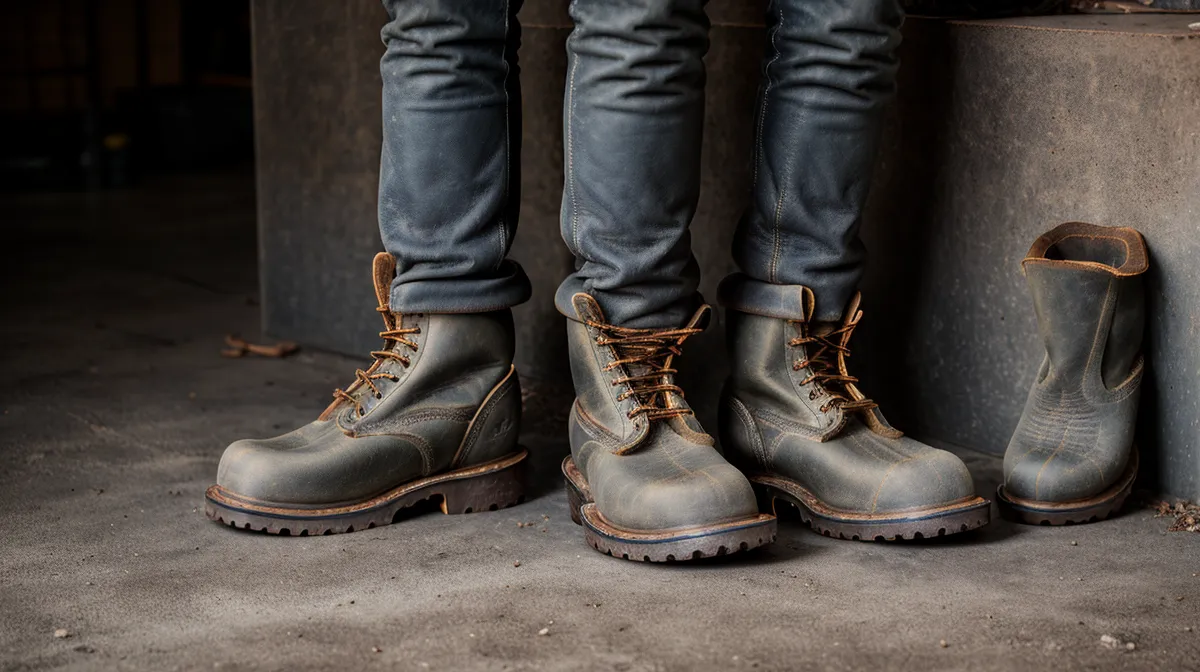
Late in the afternoon as winter finally broke, I kicked off my salt-caked 11 wides onto the basement mat and caught myself before shoving them in the damp closet under the stairs. Shoving them in the dark like previous years would have quietly ruined a perfectly good pair of boots before November rolled back around.
The Rubber Tub Mistake from Two Years Back
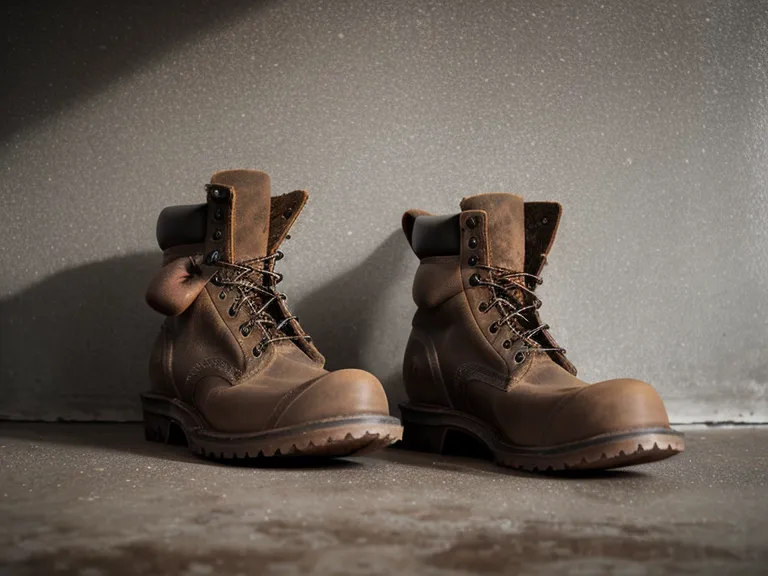
Two years ago, I didn't think twice about it. We had wrapped up a brutal stretch of slush and sleet across our distribution center yard, and the loading dock aprons had been buried in municipal de-icing pellets for four straight months. When the weather turned mild, I threw my winter beaters into an airtight plastic storage tote, snapped the yellow lid shut, and slid the tub behind the furnace.
When I cracked that lid open the following autumn, the boots were completely ruined. The vamp was stiff as sheet metal, the welt stitching had turned chalky and brittle, and a fuzzy bloom of greenish-white mold coated the footbeds from heel to toe. That was a solid pair of leather boots tossed straight into the trash—wasting what amounted to a couple tanks of gas just because I was too lazy to spend twenty minutes packing them away right.
What I didn't understand then is that municipal de-icing chemicals—mainly calcium chloride—are aggressively hygroscopic. That means even when the leather looks bone-dry on your feet, the salt trapped inside the hide continues pulling out the natural moisture and essential tanning oils until the collagen fibers dry up and snap under shift stress. Slapping damp boots into an airtight plastic tote only makes it worse. Internal sweat and trapped humidity turn that sealed container into a miniature greenhouse, giving dormant mold spores everything they need to take over the leather in as little as 48 hours.
Stripping the Brine Before It Eats the Welt
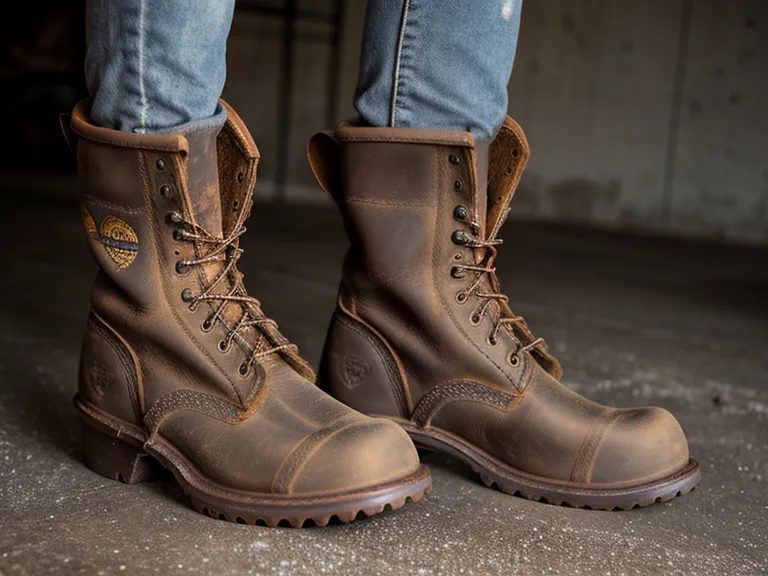
Proper storage starts at the utility sink, not the closet shelf. Late March when the road salt finally cleared off the facility lots, I pulled the laces out of my boots and spread an old section of the Sunday paper over the basement work bench.
Before touching water or soap, you have to get the dry crust off. If you wet down salted boots immediately, you just dissolve the crust and wash the brine deeper into the grain. I took a stiff horsehair detailing brush and went to work along the stitchdown welt, working out all the caked gravel and gray sludge that gets packed into the crevices. The coarse, gritty sound of dried white calcium chloride scraping off thick oiled leather onto yesterday's newspaper beneath the basement sink is a sound every guy who works a wet loading dock knows by heart.
Once the loose grit was brushed away, the dried salt tide lines were still visible—those crusty white rings bleeding across the leather vamp right where your foot flexes. Regular tap water won't lift that stuff out. You need a mild acid to neutralize the alkaline salts without burning the leather fibers.
I mix up a simple solution using a standard 1:1 ratio of plain white vinegar to lukewarm water. Dip a clean cotton rag into the mix, wring it out until it is barely damp, and gently press it over the salt lines. You don't want to scrub hard and scour the grain; you let the damp cloth sit against the salt deposit for twenty or thirty seconds so the diluted vinegar can dissolve the minerals. Wipe it down, rinse the rag in clean water, and wipe the leather again to remove any leftover acid. For anyone needing a complete rundown on deep rehabilitation before storage, my earlier notes on cleaning and oiling your leather work boots after winter cover the exact scrub-down steps in detail.
Whatever you do next, resist the urge to park them directly beside the water heater or furnace register to hurry things along. Forced artificial heat bakes the grain, shrinks the welt, and makes thick leather curl like beef jerky. Set them in a drafty spot at room temperature and let the ambient air do the job over twenty-four hours.
The Contrarian Truth: Stop Slathering On Grease Before Hibernation
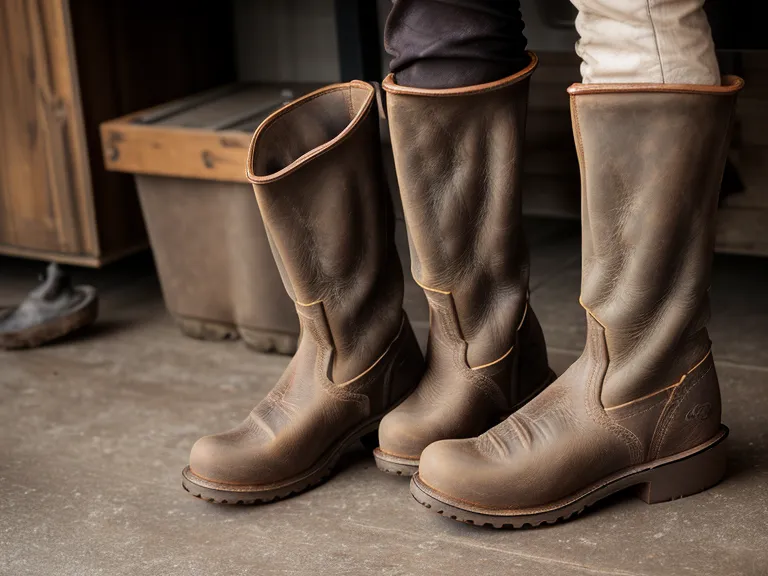
Here is where most guys ruin their boots right at the finish line: they think end-of-season storage means smothering the leather in half a tub of heavy grease, beeswax, or mink oil. The logic sounds reasonable on paper—if the leather is dry, drown it in oil so it stays protected while it sits, right? In practice, it's one of the worst things you can do to a working pair of boots.
Over-conditioning your boots right before months of warm-weather dormancy creates a disaster. Thick oils and petroleum pastes don't just sit politely on the surface; they penetrate into every pore and stay trapped there when there is no daily foot warmth to keep them moving. During June and July, that heavy reservoir of dormant oil acts as a magnet for dust and an ideal food source for mildew.
Worse yet, excess conditioning oils seep into the welt stitching and eyelet anchors. Over three or four months of sitting idle in a warm utility room, those trapped greases can soften and slowly rot the structural integrity of nylon or cotton stitching, causing seams to blow out along the vamp within a couple months of putting them back into service. If the resole price tag makes you wince—and looking at the leather boot resole cost these days will make anyone pause—the last thing you want is rotted welt thread caused by your own conditioning tub.
If the leather feels parched after the salt rinse, apply a very light coat of neutral leather balm—just enough to restore surface suppleness. Rub it in with your bare fingers so the warmth of your hands helps it sink in, wait an hour, and buff off every bit of excess with a clean rag. The boot should feel soft and dry to the touch, not greasy or slick.
Setting Up the Off-Season Shelf: Airflow, Cedar, and Humidity
Once the leather is clean, balanced, and bone-dry, the actual storage environment decides whether the boots survive until next winter. Ditch the cardboard shoe boxes and stay far away from sealed plastic storage bins. Leather is an organic, breathing material that needs constant ambient airflow to keep internal moisture from going stagnant.
Archival and leather preservation standards generally keep storage spaces dialed into a 40% to 50% relative humidity range. Go above 60% relative humidity, and you invite fungal spores to germinate on the lining; drop below 30%, and the leather fibers desiccate, turning brittle enough to split across the toe box the first time you squat down to inspect a conveyor motor next fall.
In most homes across our part of Pennsylvania, an unfinished basement in mid-summer runs far too damp, while an attic gets hot enough to bake the glue right out of the midsole. The sweet spot is an interior utility room or a hallway closet on the main floor. Put your boots on an elevated wire rack a few inches off the floor rather than right against the concrete or carpet. That simple gap lets air circulate under the outsoles and around the welt.
Inside the boots, insert unfinished cedar boot trees or basic cedar inserts. Cedar does two jobs that crumpled newspaper cannot do: it absorbs residual sweat that seeped deep into the leather footbed during late-winter shifts, and it holds gentle tension against the vamp to stop the leather from collapsing and forming permanent, deep creases while resting. If you wear broad widths, make sure the trees don't stretch the leather out of shape—a lesson I learned back when I wrote about soft toe vs steel toe boots and how different toe caps hold up to pressure over time.
A quick aside for the younger guys on the floor: I’m a warehouse maintenance supervisor who has burned through dozens of boots, not a podiatrist or orthopedic specialist. If your arches are aching or your heels feel bruised after a full shift on sealed concrete, talk to a qualified medical professional about proper orthotics instead of hoping that storing your boots differently will solve foot pain.
After about three weeks on the shelf, I checked in on my pair just to see how the leather was settling. The uppers were dry, matte, and smelled clean—no greasy residue, no salt crust returning, and no dampness inside the toe box. Then, on one warm afternoon in early May, when the shop floor was finally running warm enough to leave the bay doors propped open, I gave them a quick pass with a dry horsehair brush and set them back on the wire rack.
Taking care of working leather doesn't require high-dollar gear or complicated routines. It just takes a little patience, a splash of vinegar, and the discipline to leave the heavy oil tub alone until the boots are actually back on the clock.