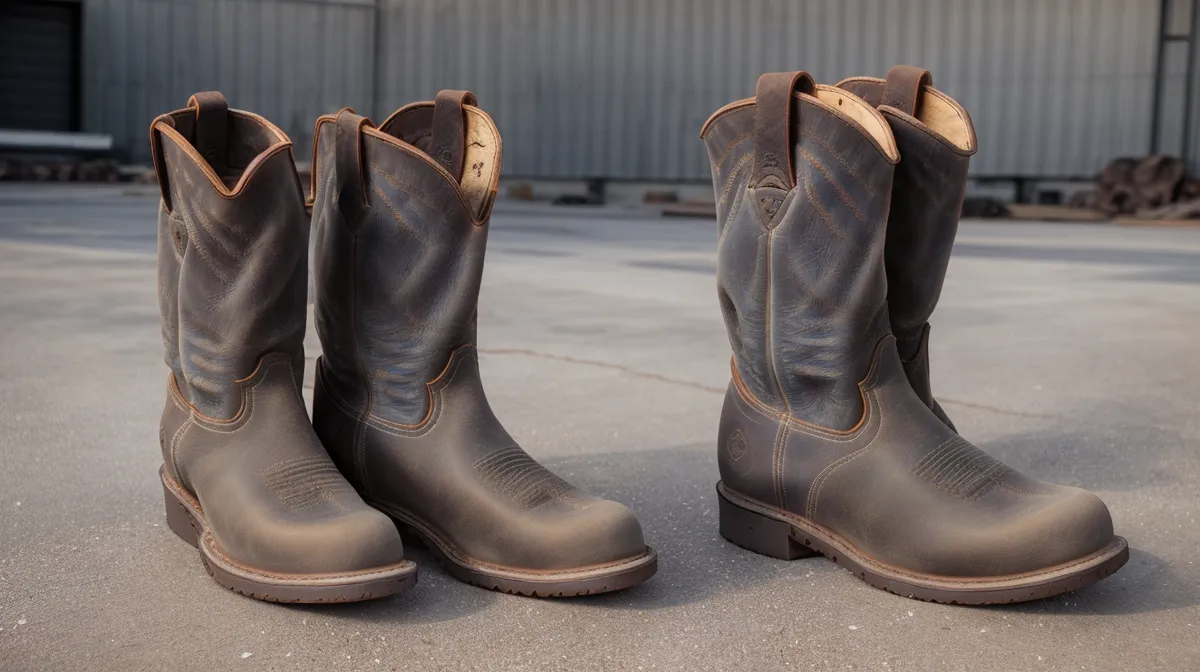
One damp morning in mid-November last year, I was standing on a concrete loading dock in suburban Pittsburgh. The wind was whipping off the Ohio River, and I could feel the frost creeping through my old soles before the first truck even backed in. For years, I did the same thing: I’d grab whatever size 11 wide was on the shelf at the warehouse club and hope for the best. Usually, by the time the first real snow hit, my toes were numb and the boots were already starting to delaminate at the toe.
Before we get into the grit, you should know that when you click through one of the boot links on this page and buy a pair, the seller sends a commission my way. It doesn’t change what you pay, and it’s how I keep this site running and keep buying new boots to put through a winter. I’ve worn every brand I’m talking about here, and I’ve got the salt-stained uppers to prove it. Also, just so we’re clear, I’m a maintenance supervisor, not a doctor. If your feet are actually falling apart, go see a podiatrist. I’m just here to tell you what survives a double shift on frozen concrete.
The 400g Reality Check: Insulation vs. Activity
When I finally decided to stop treating my feet like an afterthought, I started looking at Thinsulate weights. Most guys think more is better, but there’s a catch. I picked up a pair of Rocky Boots with 400g Thinsulate, which is the industry standard for boots where you’re moving but still spending time standing on cold surfaces. For context, the standard 200g insulation is fine for a cool autumn day, but it’s a joke once the temperature drops below freezing on a loading dock.
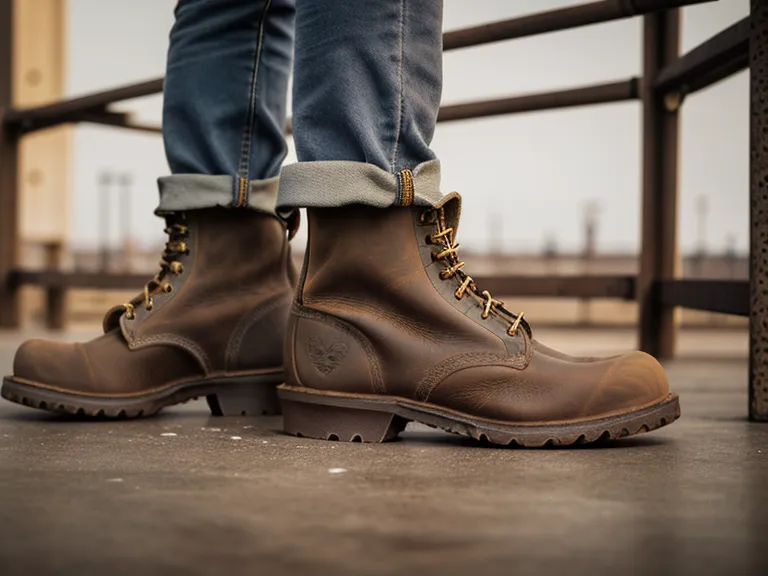
After about two months of wearing these, I noticed a measurable tradeoff I hadn't considered. That 400g weight is a beast at keeping the heat in while I’m outside checking the yard or waiting for a delivery. But once I head back into the maintenance shop to fix a conveyor belt, the heat stays in a little too well. If you’re high-activity all day, you’re going to deal with more foot perspiration. It’s a balance. You want enough insulation to keep from losing a toe, but not so much that you’re swimming in your own sweat by lunch. For me, 400g is the sweet spot for a Pittsburgh winter where you’re half-in, half-out.
Putting the Rocky Boots Through a January Cold Snap
Late January is when the real testing happens. We had a week where the wind chill didn't break zero, and I was spending four hours at a time out in the yard. I’ve tried the cheaper stuff, and usually, the sole becomes a hockey puck—hard, slick, and dangerous. The Rocky boots I’ve been wearing kept their grip. They’re built for real work, often meeting the ASTM F2413 safety standard, which matters when you’re moving heavy parts around.
The construction on these is usually a Goodyear welt. If you’re not familiar, that just means the sole is stitched to the upper, not just glued on like a cheap pair of sneakers. I’ve seen enough glued-on soles peel off like a banana skin after a wet winter to know better now. If you're struggling with finding the right fit, I actually wrote a bit about how to find the right Rocky boots size for maintenance because they can run a bit different than your standard sneaker.
The Competition: Georgia and Durango
I’ve also spent time in Georgia Boot models. They’re the heavy hitters. If Rocky is a reliable pickup truck, Georgia is the semi. They are heavier on the foot, but they handle salt and oil better than almost anything else I’ve tried. When the upper splits on a cheap boot, it’s usually right where the foot flexes. The full-grain leather on the Georgia and Rocky lines tends to hold up much longer, provided you don't let the road salt sit on them for a month. If you want to know more about the heavy-duty side, check out my notes on the most durable Rocky boots for heavy duty distribution center work.
On the other hand, a coworker of mine showed up in some Thursday Boot pairs. They look great—way better than my clunky work boots—but they aren't meant for a loading dock. They’re a "heritage" look that’s fine for a Saturday night or a clean office, but the salt and oil in a distribution center would chew through that leather in a single season. I stick to those for the weekend or when I’m walking my mother's old Lab.
What Actually Fails First?
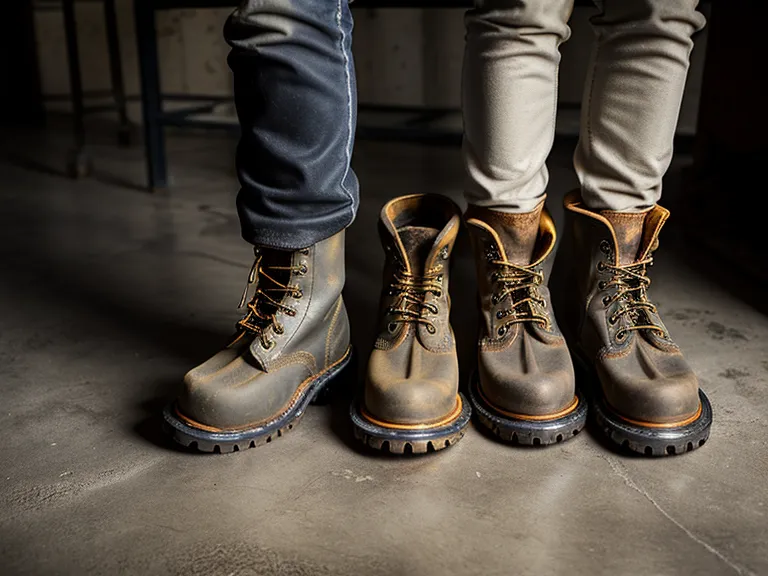
One freezing morning in February, I realized why I keep coming back to brands that know the job site. It’s not just the insulation; it’s the waterproofing. There is nothing worse than 400g of wet Thinsulate. It becomes a cold sponge. The Rocky and Georgia lines usually have a dedicated waterproof liner. I’ve had pairs from discount stores that claim to be waterproof, but after the third time you step in a slush puddle, your socks are done for. If you're constantly in the rain, you might even look at dry socks and double shifts for a deeper look at that.
The price difference between a pair of boots that lasts four months and a pair that lasts two years is usually about the cost of a few fast-food runs or a couple of takeout dinners. It’s not a huge gap when you consider your paycheck depends on being mobile. I’ve learned the hard way that saving the cost of a half tank of gas on boots usually ends up costing me more in foot pain and replacement pairs by April.
Final Thoughts from the Dock
By the time early spring 2026 rolled around, I noticed something. On Sunday evenings, when I’m walking my mother's Lab, I don’t have that deep, throbbing ache in my arches anymore. My size 11 wides aren't killing me by hour seven. Transitioning to a boot with proper insulation and a solid welt was the smartest thing I did for my career last year. If you’re tired of your toes going numb while you’re waiting for a trailer to be spotted, it’s time to move up to something real. You can check out the current pricing and options for Rocky Boots here to see what’s available for this season.
At the end of the day, no boot is perfect. You’re going to sweat a little more in 400g insulation, and you’re going to have to clean the salt off the leather if you want them to last. But compared to the alternative—numb toes and boots that fall apart before the first thaw—it’s a no-brainer. Take care of your feet, and they’ll take care of your paycheck. Check with a professional if you've got serious foot issues, but for the cold concrete, these are the way to go.
| Product | Rating | |
|---|---|---|
| Rocky Boots Top Pick | 9.1 | Read More → |
| Georgia Boot | 8.8 | Read More → |
| Durango Boots | 8.4 | Read More → |
| Thursday Boot | 7.9 | Read More → |
| Hunter Boots | 7.6 | Read More → |
Rocky Boots
Pros
- ● Superior heat retention with 400g Thinsulate
- ● Genuine Goodyear welt construction for longevity
- ● Reliable traction on frozen concrete and slush
- ● Wide width options that actually fit a size 11 wide
Cons
- − Can cause foot sweat during high-intensity indoor tasks
- − Requires a bit of a break-in period compared to soft casual boots